








What is jaw pain?
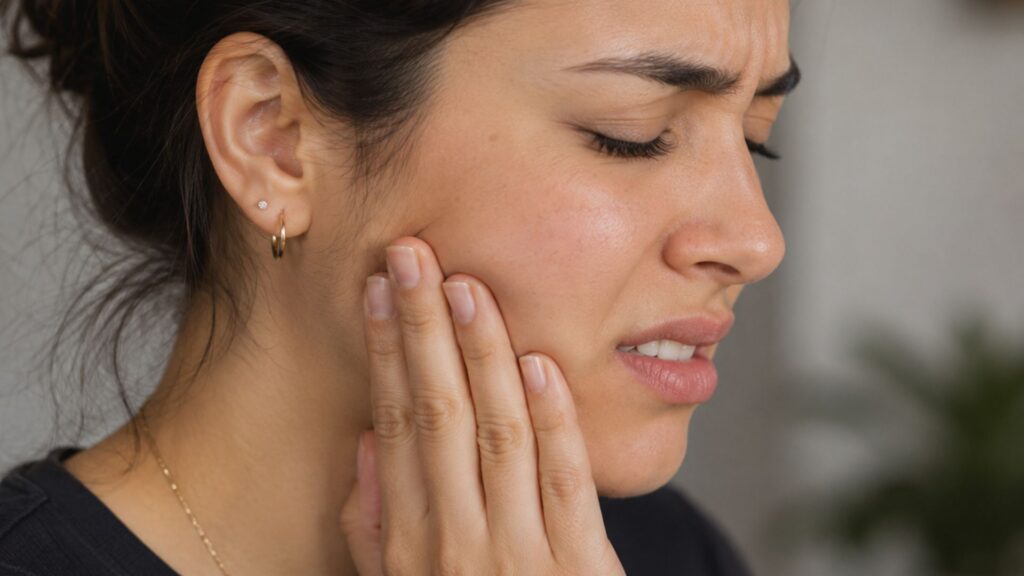
Jaw pain refers to discomfort, aching or stiffness affecting the lower jaw, upper jaw or surrounding structures such as the muscles, joints and ligaments. It can be mild and temporary or persistent and severe, depending on the underlying cause. Jaw pain often develops gradually but may also appear suddenly following injury, dental problems or muscle strain.
The jaw is a complex system involving the temporomandibular joints (TMJ), chewing muscles, teeth and surrounding bones. Because these structures work together, pain may originate from one area and be felt elsewhere. Some people experience localised pain near the ear or jaw joint, while others feel widespread discomfort affecting the face, neck or head.
Jaw pain should not be ignored, especially when it interferes with eating, speaking or sleep. Identifying the cause allows appropriate treatment and helps prevent chronic problems.
Why jaw pain matters
Jaw pain often indicates strain, inflammation or dysfunction within the jaw system. When left untreated, ongoing discomfort can lead to muscle fatigue, reduced jaw mobility and long-term joint problems.
Persistent jaw pain may affect bite function and chewing efficiency. Many people subconsciously avoid using the painful side of their mouth, which places uneven stress on the teeth and muscles. This can contribute to tooth wear, headaches and neck or shoulder tension.
In some cases, jaw pain may be associated with infection, dental abscesses or joint disorders that require timely treatment to prevent complications.
Causes and risk factors
Teeth grinding and clenching
Grinding and clenching place excessive pressure on the jaw muscles and joints. Over time, this causes muscle fatigue, inflammation and pain. Stress is a common trigger for these habits, particularly during sleep.
Temporomandibular joint problems
Disorders affecting the jaw joints can lead to pain, stiffness and clicking or popping sounds. Joint inflammation, disc displacement or degenerative changes may all contribute to discomfort.
Dental problems
Tooth infections, abscesses, impacted wisdom teeth and bite imbalances can cause referred pain into the jaw. Pain originating from the teeth may be felt in the surrounding jawbone and muscles.
Muscle strain and overuse
Prolonged chewing, gum chewing, yawning widely or maintaining poor posture can strain jaw muscles. This may lead to soreness and tightness, particularly in people who already have muscle tension.
Injury and trauma
Direct injury to the face or jaw can cause bruising, fractures or ligament damage. Even minor trauma may lead to persistent discomfort if healing is incomplete.
Arthritis and joint degeneration
Inflammatory or degenerative joint conditions can affect the temporomandibular joints. This may cause stiffness, limited movement and ongoing pain.
Sinus problems
Upper jaw pain may be linked to sinus infections or inflammation. Pressure in the sinus cavities can mimic dental or jaw discomfort.
Poor posture
Forward head posture and neck strain affect jaw muscle balance. Poor posture can contribute to muscle tension and jaw discomfort over time.
Symptoms
Jaw pain may be accompanied by a variety of symptoms, including:
- Aching or throbbing pain in the jaw
- Stiffness when opening or closing the mouth
- Clicking or popping sounds
- Difficulty chewing
- Jaw locking or limited movement
- Ear pain or pressure sensations
- Headaches or facial pain
- Neck and shoulder tension
- Swelling around the jaw area
- Pain that worsens with stress or chewing
The pattern and location of pain help guide diagnosis.
How jaw pain affects oral health
Jaw pain often alters how people use their mouth. Avoiding chewing on one side can lead to uneven tooth wear and increased strain on remaining muscles. Reduced jaw mobility may also make oral hygiene more difficult, increasing plaque build-up.
Chronic muscle tension contributes to teeth grinding and clenching, which accelerates enamel wear and increases the risk of cracked teeth. Joint inflammation may also affect bite alignment and comfort over time.
Early management helps protect both jaw function and dental health.
Diagnosis
Diagnosis focuses on identifying muscular, joint-related and dental causes.
- Clinical examination: assessing jaw movement, tenderness and symmetry.
- Joint assessment: checking for sounds, locking and restricted movement.
- Muscle evaluation: identifying tension and trigger points.
- Bite assessment: detecting uneven contact or pressure.
- Dental examination: ruling out infections or impacted teeth.
- X-rays or imaging when required: evaluating joint and bone structures.
- Medical history review: identifying contributing conditions or injuries.
Accurate diagnosis allows targeted treatment planning.
Treatment and management
Managing muscle tension
Muscle-related jaw pain is often treated with jaw exercises, stretching and relaxation techniques. Warm compresses help improve blood flow and reduce muscle tightness. Stress management plays an important role in long-term symptom control.
Bite splints and night guards
Custom appliances protect teeth from grinding and help reduce pressure on the jaw joints. Wearing a night guard can significantly reduce morning jaw pain and muscle fatigue.
Treating dental causes
When jaw pain originates from dental infection, impacted teeth or bite problems, addressing the underlying dental issue is essential. This may involve fillings, root canal treatment, extraction or bite adjustment.
Anti-inflammatory treatment
Short-term use of anti-inflammatory medication may help reduce pain and swelling. This is usually combined with other therapies rather than used alone.
Physiotherapy and posture correction
Targeted physiotherapy can improve jaw function and muscle balance. Addressing posture issues helps reduce strain on the jaw and neck muscles.
Joint-focused treatment
When joint disorders are present, treatment may include splints, physiotherapy or specialist referral depending on severity.
Prevention and self-care
- Avoiding excessive clenching: reduces muscle strain and joint stress.
- Managing stress levels: lowers grinding and tension habits.
- Maintaining good posture: supports jaw muscle balance.
- Using night guards when recommended: protects teeth and joints.
- Avoiding excessive gum chewing: reduces muscle overuse.
- Attending regular dental check-ups: early detection prevents progression.
When to seek urgent dental or medical care
Seek prompt assessment if you experience:
- Sudden severe jaw pain
- Swelling of the face or jaw
- Difficulty opening or closing the mouth
- Fever associated with jaw pain
- Pain following trauma or injury
- Jaw locking that does not resolve
- Numbness or tingling sensations
These symptoms may indicate infection, joint damage or other serious conditions.