








What are stained teeth?
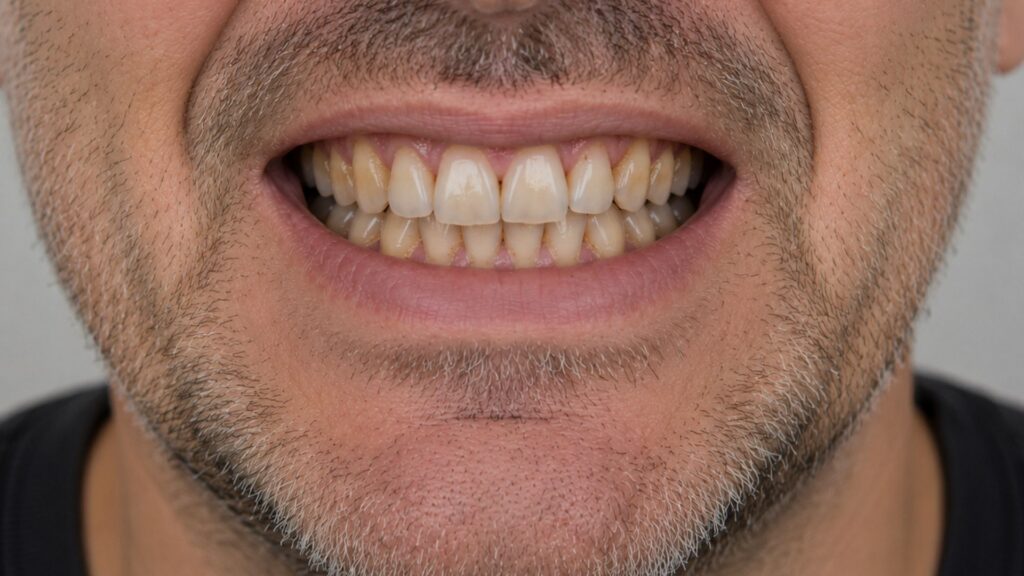
Stained teeth refer to discolouration of the tooth surface or deeper internal tooth structure that causes teeth to appear darker, yellow, brown or uneven in colour. Staining can be external, affecting the enamel surface, or internal, developing within the tooth itself.
External stains usually develop when pigments from food, drink or tobacco attach to enamel. Internal staining occurs when changes happen inside the tooth, such as trauma, medication exposure or pulp damage. Both types can affect the appearance of the smile and may require different treatment approaches.
Although staining is common and often cosmetic, it can sometimes indicate enamel wear, plaque build-up or underlying dental conditions. Identifying the cause is essential before choosing the appropriate treatment.
Why stained teeth matter
Stained teeth can have a significant impact on confidence and self-esteem. Many people feel self-conscious about smiling or speaking when their teeth appear discoloured, which can affect social and professional interactions.
From a clinical perspective, staining may reflect enamel thinning, plaque accumulation or early enamel damage. These factors increase the risk of sensitivity, decay and gum disease. Addressing staining early helps protect tooth structure and improves long-term oral health alongside cosmetic appearance.
Causes and risk factors
Dietary staining
Foods and drinks containing strong pigments can attach to enamel and gradually darken tooth colour. Common contributors include tea, coffee, red wine, berries, tomato-based sauces, turmeric and dark fizzy drinks. Frequent exposure increases the likelihood of visible staining.
Smoking and tobacco use
Nicotine and tar penetrate enamel and create deep yellow or brown staining that is difficult to remove with routine brushing. Smoking also reduces saliva flow, which normally helps wash away staining particles and neutralise acids.
Enamel thinning and erosion
As enamel wears down due to ageing, erosion or grinding, the underlying dentine becomes more visible. Dentine naturally has a yellow tone, so thinning enamel makes teeth appear darker even without surface stains.
Poor oral hygiene
Inadequate brushing and interdental cleaning allow plaque and tartar to accumulate. These deposits trap pigments and bacteria, contributing to discolouration and dull appearance.
Medications and childhood exposure
Certain medications, particularly tetracycline antibiotics taken during tooth development, can cause intrinsic staining. These stains develop inside the tooth and often appear grey, brown or yellow.
Fluorosis
Excessive fluoride exposure during childhood tooth development can cause enamel changes known as fluorosis. This may present as white patches, yellow discolouration or brown staining depending on severity.
Dental trauma
Injury to a tooth can disrupt blood supply to the pulp. When this happens, internal bleeding or pulp death can darken the tooth from the inside, leading to grey or brown discolouration.
Dental restorations
Older metal fillings can show through enamel and create a grey appearance. Ageing composite materials may also discolour over time.
Genetic factors
Natural enamel thickness and dentine colour vary between individuals. Some people are genetically predisposed to darker tooth shades or faster staining.
Symptoms
Staining may present in several ways, including:
- Yellow, brown or grey patches on teeth
- Uneven colour across the smile
- Darkening near the gum line
- Localised staining on single teeth
- Dull or opaque enamel appearance
- Increased tooth sensitivity if enamel is thin
- Rough surface texture where plaque or tartar is present
Staining often develops gradually and becomes more noticeable over time.
How stained teeth affect oral health
While staining itself is not harmful, it often reflects underlying changes in enamel or hygiene habits. Enamel thinning increases vulnerability to erosion and sensitivity. Plaque-related staining increases the risk of gum disease and decay.
Discolouration may also mask early signs of enamel damage or cavities. Regular assessment ensures that cosmetic concerns do not hide developing oral health problems.
Diagnosis
Diagnosis focuses on identifying the type and cause of staining.
- Visual examination: assessing shade, pattern and surface texture.
- Evaluation of enamel condition: identifying erosion or wear.
- Assessment of plaque and tartar: determining hygiene-related staining.
- Medical and dental history review: identifying medication or trauma-related causes.
- Shade analysis: establishing baseline colour before treatment planning.
Correct diagnosis ensures the most effective and safe cosmetic approach.
Treatment and management
Professional cleaning and polishing
Surface staining caused by plaque, food and drink can often be removed through professional cleaning. Scaling and polishing remove deposits and restore a brighter appearance while improving gum health.
Tooth whitening
Professional whitening treatments lighten both surface and internal stains. Custom trays or in-clinic whitening systems use controlled bleaching agents to safely improve tooth colour. Whitening is most effective on natural enamel and should always be planned following dental assessment.
Internal tooth whitening
When a tooth darkens due to internal damage or trauma, internal whitening may be required. This involves placing whitening gel inside the tooth under controlled conditions to improve colour from within.
Composite bonding and veneers
When staining cannot be corrected with whitening alone, restorative cosmetic treatments may be recommended. Composite bonding reshapes and recolours teeth with minimal tooth preparation. Veneers provide a longer-term aesthetic solution for severe discolouration and enamel damage.
Managing contributing factors
Lifestyle changes such as reducing smoking, limiting staining foods and improving oral hygiene are essential for maintaining results and preventing recurrence.
Prevention and self-care
- Brushing twice daily: removes plaque and surface pigments.
- Daily interdental cleaning: prevents staining between teeth.
- Limiting staining foods and drinks: reduces pigment exposure.
- Using a straw for coloured drinks: minimises enamel contact.
- Stopping smoking: prevents deep persistent staining.
- Regular dental check-ups: early intervention maintains colour.
- Using fluoride toothpaste: protects enamel integrity.
When to seek professional advice
Arrange assessment if you notice:
- Rapid or uneven discolouration
- Single darkened teeth following trauma
- Staining combined with sensitivity or enamel wear
- Colour changes that do not improve with cleaning
- Dark patches that may indicate early decay
These may require targeted investigation and treatment.