What are navigated implants?
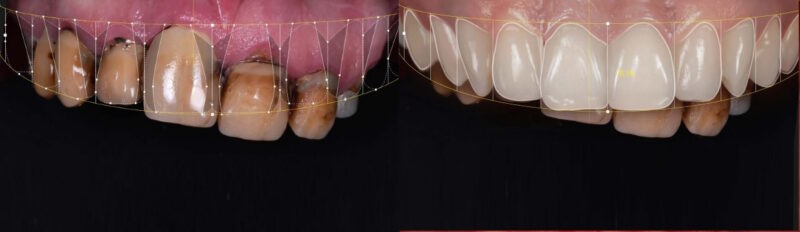
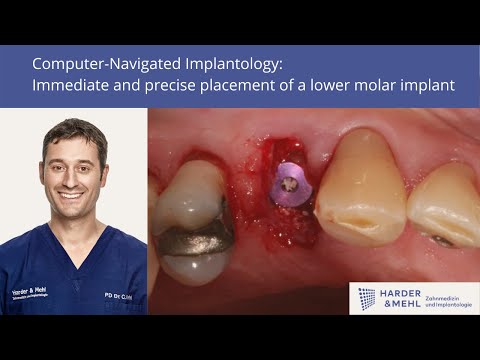
Navigated implants are placed using an advanced navigation system that combines 3D imaging, computer planning and guided surgery software. Instead of relying solely on the surgeon’s freehand skill, the system positions the implant at the ideal depth, angle and location in the jawbone. It also allows temporary restorations to be produced before surgery, reducing the time you spend without teeth to minutes.
This approach reduces risk, avoids unnecessary trauma to the surrounding tissues, and often removes the need for more invasive bone grafting. For patients it means better accuracy, faster treatment, fewer appointments and implants that look, feel and function like natural teeth. Because every stage is recorded digitally, we can also replicate or adjust your restoration more easily in future.
Why choose navigated implants over traditional implants?
Traditional implant surgery is often performed freehand which, even in expert hands, relies heavily on manual skill. It is highly effective, but freehand placement can occasionally lead to small deviations that affect long-term results. Navigated surgery offers:
- Greater precision. The exact position of your implant is mapped out in advance.
- Less invasive procedures. Smaller incisions and minimal disruption to the gum line.
- Shorter surgery times. Digital planning allows implants to be fitted more efficiently.
- Improved comfort. Patients often report less discomfort afterwards.
- Predictable outcomes. Restorations align seamlessly with your bite and smile.
- Easier future treatment. Digital records make later adjustments straightforward.
What happens during navigated implant surgery?
Every implant journey begins with a consultation.
Step 1, consultation and planning
We assess your oral health, discuss what you want from treatment and check whether implants are the right answer for you. This is where suitability, bone quality and any risk factors are identified.
Step 2, 3D imaging
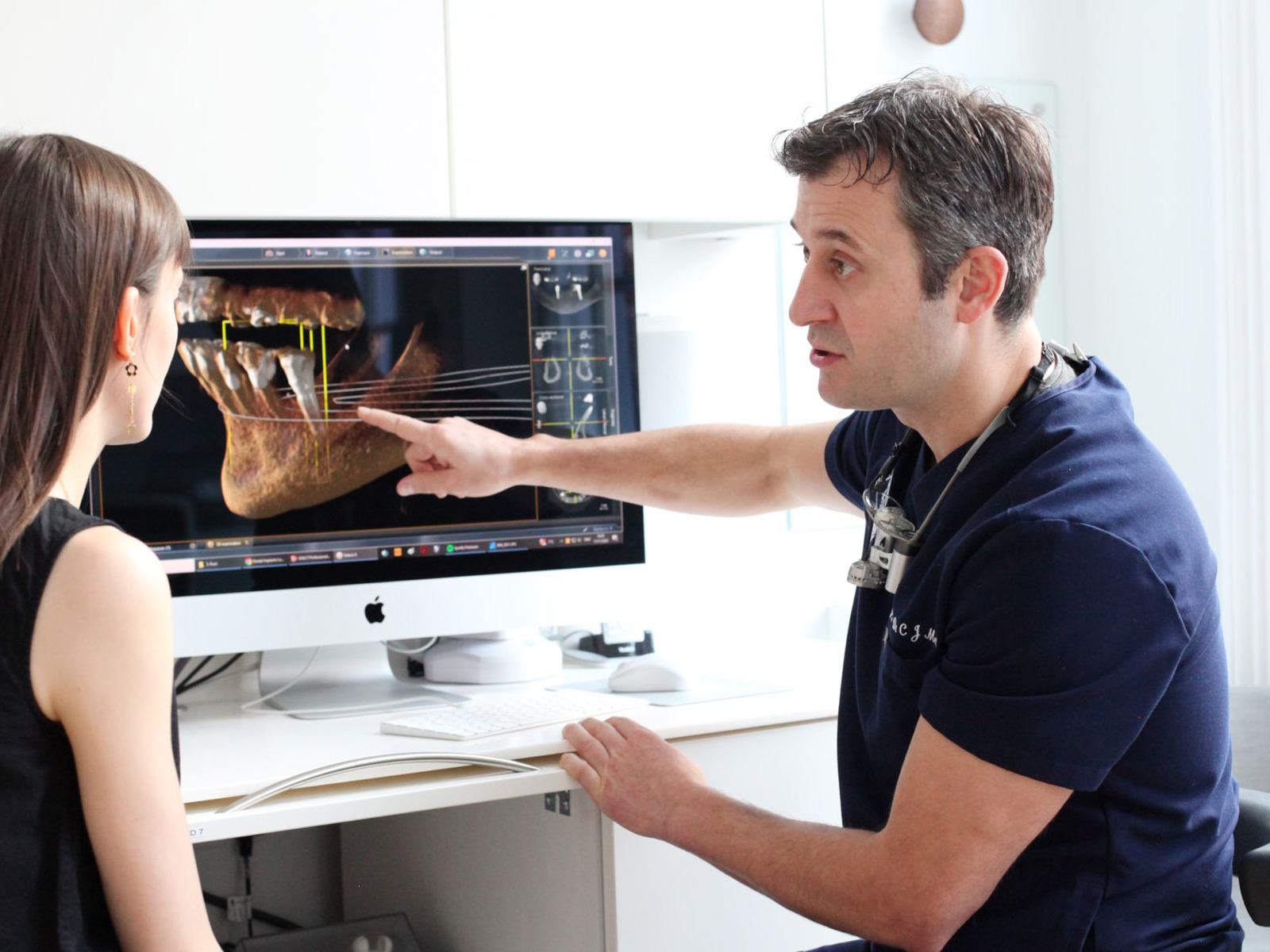
A three-dimensional scan captures your jawbone, the position of nerves and sinuses, and the shape of the surrounding tissues, giving a complete picture rather than a flat X-ray.
Step 3, digital planning
Your implant position is planned in software before anything is done in the mouth, choosing the depth, angle and location that give the best long-term result. Your temporary restoration can be made at this stage, ahead of surgery.
Step 4, surgery day
The plan is transferred to the mouth using a surgical guide, so the implant goes exactly where it was planned. Incisions are smaller and the procedure is quicker than freehand placement.
Step 5, recovery and restoration
Most patients are back to normal within a day or so. Once healing is complete, your final restoration is fitted and checked for fit, bite and appearance.
Leaders in navigated implants
Wimpole Street Dental Clinic is internationally recognised in navigated implant dentistry, with over 25 years of research and clinical practice behind our approach. Our team has played a part in advancing digital implantology, contributing to studies that have shaped modern technique. Treatment is led by Prof Dr Christian Mehl, a registered specialist in prosthodontics who combines that research background with day-to-day surgical practice.