Dental Braces in London

Treatment
3 months - 2 years

Price
From £2,500

Team Experience
15+ years

Recovery Time
1 day

Google Rating
★★★★★ (4.9)
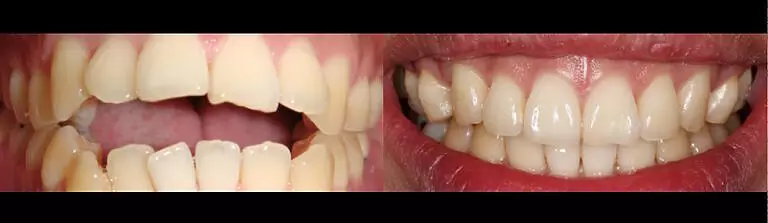
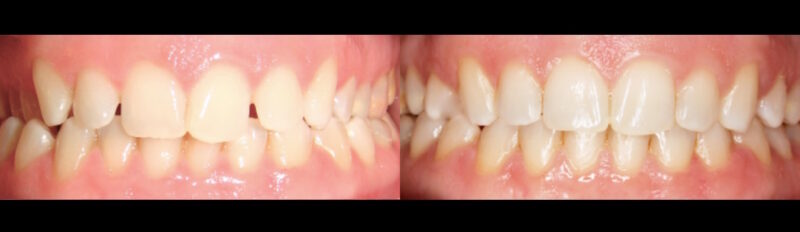
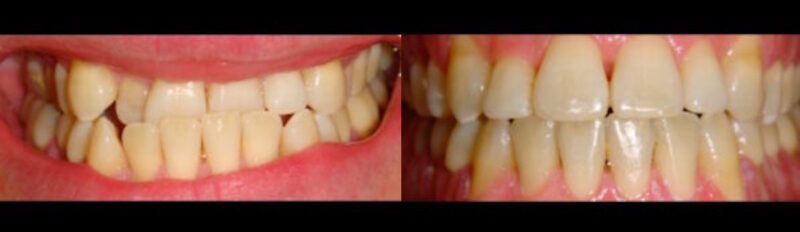
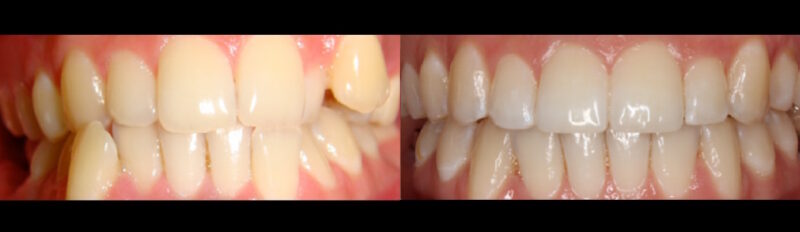
Examples of our work
Our braces case studies highlight the breadth of orthodontic treatments we offer — from fixed and ceramic braces to discreet Invisalign and lingual systems. Each story reflects our commitment to precision, comfort, and lasting results, helping patients achieve confident, natural-looking smiles through carefully tailored care.
Braces London – a specialist approach to orthodontic care
Braces are used to correct problems such as crowding, spacing, or misaligned bites by applying gentle, continuous pressure to the teeth. Over time, this pressure shifts teeth into their optimal positions, improving both function and aesthetics.
The demand for orthodontic treatment in the UK — particularly among adults — continues to rise as more patients recognise the link between straight teeth, long-term oral health, and personal confidence. Whether you require a traditional approach or a discreet, modern solution, our specialist orthodontists will create a personalised treatment plan to deliver an exceptional smile outcome.
How do braces work?
Braces function by applying steady, controlled pressure that gradually guides teeth into alignment. Brackets are fixed to each tooth and connected by wires that are periodically adjusted. This process reshapes not only the teeth but also the bone supporting them, resulting in a balanced, harmonious bite.
The result: a straighter smile, improved bite function, and easier cleaning — all contributing to better overall oral health and longevity of your natural teeth.
Braces options at our London orthodontic practice
At Wimpole Street Dental Clinic, we offer a range of modern braces tailored to different clinical needs, aesthetic preferences, and lifestyles. Each option is delivered with precision and care by our highly experienced orthodontic team.
Fixed and ceramic braces – precise and durable alignment
Fixed braces use high-grade brackets and archwires to correct even the most complex orthodontic problems. For patients seeking a more aesthetic option, ceramic braces feature tooth-coloured materials that blend seamlessly with your smile. These braces offer the same effectiveness as metal ones while remaining discreet and refined.
Removable and modern braces
Removable systems, such as clear aligners, can be taken out for meals and cleaning. They are ideal for patients with mild to moderate orthodontic issues who value flexibility and convenience. At our orthodontic practice, we utilise the latest 3D digital planning to ensure precision at every stage.
Lingual braces – the invisible solution for adults
Lingual braces are fixed to the back (lingual) surfaces of your teeth, rendering them completely hidden from view. They deliver powerful, accurate tooth movement with total discretion — making them particularly popular among professionals and adults seeking invisible correction.
Clear aligners and white braces alternatives
Our Invisalign clear aligner system provides a virtually invisible alternative to traditional braces. Each custom-made aligner tray gently moves your teeth into position while allowing complete freedom to eat, brush, and floss as normal. Invisalign has helped millions worldwide achieve straighter smiles without the need for fixed braces.
How long do braces take to work?
Treatment duration varies depending on the severity of misalignment, the type of braces, and the patient’s cooperation. On average, orthodontic treatment takes between 6 months and 2 years, though minor adjustments may require less time. Regular visits ensure your treatment progresses precisely and comfortably.
What can you eat with braces?
Patients should opt for soft foods and avoid sticky, crunchy, or chewy items that can damage the braces. Foods like yoghurt, pasta, soups, and cooked vegetables are ideal. Always cut firmer foods into small pieces and brush after meals to prevent plaque build-up.
Meet your award-winning Dental Braces dentist and team…
Our specialist team brings more than 75 years of combined dental experience and has performed over 10,000 treatments, establishing us as leaders in orthodontic care who teach, lecture, and publish internationally. At the centre of our service is specialist orthodontist Dr Sanjana Sudarshan, whose precise, discreet, and compassionate approach ensures every patient receives truly bespoke treatment with results that feel both natural and transformative.
Who should have braces?
Braces are suitable for both children and adults who wish to correct:
Crowding or overlapping teeth
Gaps or spacing
Overbites, underbites, and crossbites
Uneven tooth alignment
While orthodontic assessment in childhood can help plan early intervention, adult braces have become increasingly common. Many adults now seek discreet solutions such as Invisalign, lingual braces, or ceramic braces to achieve a more confident, balanced smile.

Looking for the best Dental Braces in London?
Dr Sudarshan, our skilled Orthodontist at Wimpole Street Dental Clinic, specialises in discreet teeth alignment solutions. Her precise and gentle approach emphasises patient comfort and confidence, evident in the personalised care she provides. With her extensive experience, Dr Sudarshan offers tailored treatment options that meet each patient’s unique needs and preferences, ensuring inconspicuous and effective results.
With her expertise and unwavering commitment to staying up-to-date with the latest developments in orthodontic care, patients can rest assured that they are receiving exceptional care from Dr Sudarshan.
At our dental practice in London, we take pride in providing the latest and most innovative orthodontic technology and techniques available.
With a focus on utilising the latest advancements in the field, we strive to offer our patients efficient, dependable, and rapid results.
Dental Braces FAQs
Are there any dietary restrictions while wearing braces?
Yes, patients should avoid hard, sticky, and sugary foods as they can damage or dislodge the braces. Patients should also be diligent about brushing and flossing regularly to maintain good oral hygiene.
Are braces painful?
While braces can cause discomfort, especially after adjustments, the pain is usually mild and temporary. Pain relief can often be managed with over-the-counter painkillers.
How much do braces cost?
The cost of braces varies widely depending on the type of braces, the complexity of the treatment, and the geographical location. It’s best to consult with an orthodontist for a precise quote.
What is the difference between metal braces and clear aligners like Invisalign?
Metal braces are attached to the teeth and adjusted periodically. Clear aligners are removable and virtually invisible trays that gradually move the teeth.
How often do I need to visit the orthodontist during treatment?
Visits are typically scheduled every 4-6 weeks to adjust the braces and monitor progress.
How do I clean my braces?
Proper cleaning involves brushing around the brackets and wires with a soft-bristled toothbrush and using floss threaders or water flossers to clean between the teeth and braces.
What happens after my braces are removed?
After braces are removed, most patients will need to wear a retainer to maintain the teeth’s position while the jawbone solidifies around them. The duration of retainer use varies.
Content updated
Written by: Prof Dr Christian Mehl
Medically reviewed by: Dr Raul Costa
New page design
Written by: Prof Dr Christian Mehl
Medically reviewed by: Dr Raul Costa
Original content created
Written by: Prof Dr Christian Mehl
Medically reviewed by: Dr Raul Costa
Wimpole St Dental Clinic has strict sourcing guidelines and relies on peer-reviewed studies, academic research institutions, and medical associations. We avoid using tertiary references. You can learn more about how we ensure our content is accurate and current by reading our editorial policy.
- Bucci R, Rongo R, Zunino B, Michelotti A, Bucci P, Alessandri-Bonetti G, Incerti-Parenti S, D’Antò V. Effect of orthopedic and functional orthodontic treatment in children with obstructive sleep apnea: A systematic review and meta-analysis. Sleep Med Rev. 2023 Feb;67:101730. doi: 10.1016/j.smrv.2022.101730. Epub 2022 Dec 2. PMID: 36525781.
- Agostino P, Ugolini A, Signori A, Silvestrini-Biavati A, Harrison JE, Riley P. Orthodontic treatment for posterior crossbites. Cochrane Database Syst Rev. 2014 Aug 8;(8):CD000979. doi: 10.1002/14651858.CD000979.pub2. Update in: Cochrane Database Syst Rev. 2021 Dec 24;12:CD000979. PMID: 25104166.
- Glineur R, Balon-Perin A. L’orthodontie de l’enfant et de l’adulte [Orthodontic treatment in children and adults]. Rev Med Brux. 2001 Sep;22(4):A299-303. French. PMID: 11680192.