


Bone grafting for dental implants in London

Treatment
1+ hours

Price
From £800

Team Experience
50+ years

Recovery Time
7+ days

Google Rating
★★★★★ (4.9)

When a patient loses a tooth, or, even worse, several teeth, the bone in that area will shrink considerably. This will have a tremendous impact in case the patient then wants to restore the missing tooth or teeth, whether with a dental implant or a bridge.
In these cases, bone grafting prior to implant placement may be required in order to achieve a predictable, stable, easy to maintain and more aesthetic outcome.
What is bone grafting?
Bone grafting is a surgical procedure used to rebuild or enhance the bone tissue in the jaw when there’s not enough natural bone to support a dental implant. A bone graft adds or replaces lost bone using autologous grafts (from your body), allografts (from a donor), xenografts (animal-derived), or alloplastic grafts (synthetic materials).
This treatment stimulates new bone growth, osteogenesis, and osteopromotion, creating a stable base for future implant surgery. Depending on the severity of bone loss, we may blend donor bone, artificial bone, or even your own bone marrow to rebuild your jawbone structure.
Rationale for bone grafting and implant success
After tooth loss, your body begins resorbing the bone in that area. Without enough bone, dental implants can fail due to a lack of support. Bone grafting is essential to:
- Rebuild areas of significant bone loss
- Ensure sufficient amount of bone for stable implant placement
- Improve the shape of the jaw for a better aesthetic outcome
- Increase the success of implant treatment
This is known as the rationale for bone grafting in restorative dentistry.
Types of bone grafts
There are several types of bone grafting procedures based on the source and purpose of the graft material:
Autogenous bone grafting
Taken from your own body, either from the chin or jaw angle. This is the gold standard as it contains vital osteoblasts that promote new bone formation.
Allografts
Donor bone allograft from a human source, carefully processed and sterilised for safety and compatibility.
Xenografts
Derived from animal bone, usually bovine, offering a scaffold for osteoconduction and gradual replacement with natural bone.
Alloplastic grafts
Synthetic bone graft substitutes that are biocompatible and stimulate osteopromotion and the enhancement of osteoinduction.
The bone grafting procedure
Our highly experienced surgeon will perform the bone grafting procedure under local anaesthetic or light sedation. The steps typically include:
- Exposing the affected jawbone area
- Placing the chosen graft material onto the site
- Securing it in place with a membrane or pins
- Allowing time for successful bone healing and new osteoblasts to populate the area
In many cases, grafting and implant placement can be done simultaneously. Otherwise, healing may take several months before dental implants are placed.
Benefits of bone grafting
- Enables safe and stable implant placement
- Restores the jawbone to its natural volume and contour
- Prevents long-term bone loss and changes to facial structure
- Supports long-lasting results for dental implants, dentures, and cosmetic treatments
- Improves outcomes in both functional and aesthetic dental care
Risks of bone grafting
As with any surgery, there are potential risks and benefits:
- Risks of bone grafting include infection, bleeding, side effects to anaesthesia, or failure of the graft material to integrate
- Complications may occur but are rare when working with an experienced surgeon and adhering to proper protocols
We minimise these risks through thorough planning, advanced sterilisation, and follow-up dental care.
Osteoconduction, osteogenesis, and osteopromotion
Each type of bone graft contributes to healing via different biological processes:
- Osteoconduction: provides a scaffold for new bone to grow on
- Osteogenesis: the formation of new bone via live bone marrow cells
- Osteopromotion: stimulation of natural healing through chemical signals and materials
These help encourage new bone formation, particularly in cases requiring major bone grafting support.
Meet your award-winning Bone Grafting dentist and team…
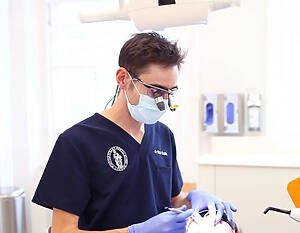
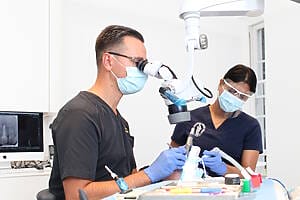
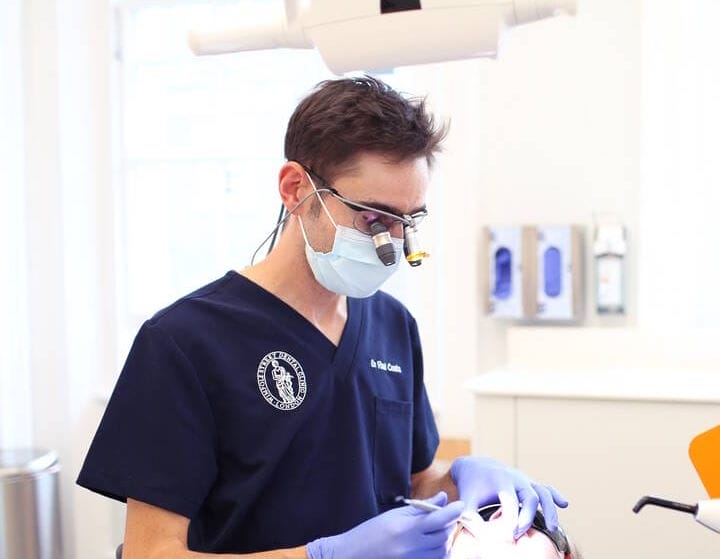
With over 75 years of collective dentistry experience and thousands of successful bone grafting and implant procedures completed, Wimpole Street Dental Clinic is a trusted choice for advanced restorative care. Our in-house laboratory and state-of-the-art technology ensure precision and quality at every stage, while expert-led treatment from Prof Dr Christian Mehl and his team offers patients the highest level of care. Conveniently located in central London, we make world-class dental expertise accessible in a modern and comfortable setting.


The necessity for bone grafting before or at the same as receiving a dental implant depends on both the density and volume of the jawbone in the targeted area. While not every case requires a graft, the extent of bone loss can vary significantly. The implant diameters placed in the front tooth area usually vary between around three and four mm, while in the posterior area implants are subject to more stress and hence the diameter is increased to around four to six mm. In situations where there is less than approximately 1.5 to 2 mm of bone on all sides of the proposed implant site, a graft is usually recommended to ensure the long-term stability of the implant. However, the severity of bone loss can range from minor cases requiring a simple graft to more advanced cases where major reconstruction is needed before any implant placement to ensure a solid foundation for the implant. This variation highlights the importance of assessing each individual’s condition to determine the appropriate treatment. Since we always place our implants computer navigated and prepare for the operation optimally, we combine a three-dimensional X-ray (CBCT) with a digital scan of your teeth and simulate the operation on computer software (ExoCad).
Thin bone
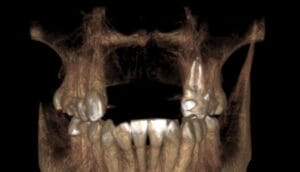
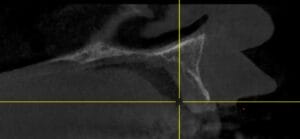
When the bone has completely thinned to a knife edge, a bone graft is the only way the bone can be restored to become compatible with a dental implant. At the stage of bone loss seen in the image, the bone graft not only restores the bone, but also supports vital facial structures like the lips.
In the case below, the patient lost his upper jaw front teeth and a lot of bone due to a car accident. The remaining bone was sufficient in height, but not in width (1-1.5 mm). Since the planned implant’s diameter were between 3.3 and 3.8 mm in diameter we needed to augment between five and seven mm bone to have 1.5 to 2 mm bone surrounding our implants. These large bone augmentation are usually performed with the patient’s own bone from the lower jaw angle plus bovine or porcine bone replacement material.


Medium size bone
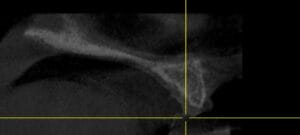
Patients with reduced bone thickness have an increased possibility of needing bone grafting to ensure long-term implant stability and aesthetic success. After every extraction, the bone loses the width needed for the implant and restoration to stay secure and beautiful. In most cases the bone volume is still at a considerable volume, and patients can be treated for both the bone graft and implant simultaneously. As always we prepare for our implant operations with a three-dimensional X-ray and a digital scan of the teeth and we can tell you straight away which route needs to be taken.
In the case below, the patient lost his upper jaw front teeth and a lot of bone due to a bicycle accident. The remaining bone was sufficient in height, but not entirely in width (2-4 mm) to place implants without bone augmentation. Since the planned implant’s diameter were between 3.3 and 3.8 mm in diameter we needed to augment between two and five mm bone to have 1.5 to 2 mm bone surrounding our implants. This bone augmentation was performed with a combination of the patient’s own bone from the implant cavity bone mixed with bovine bone replacement material and the augmented area was covered with a membrane.

Large size bone
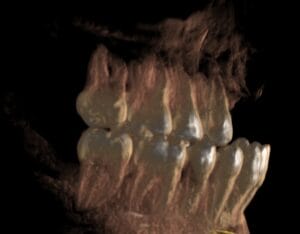
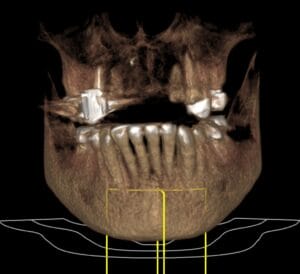
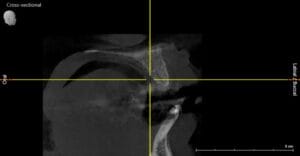
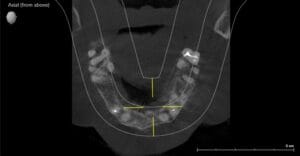
When the bone is healthy and thick, it creates a solid foundation for the dental implants to be embedded into. It’s important that the bone can support the implants and withstand pressure from daily activities like chewing and talking and even grinding. The implant must fuse with the surrounding bone for it to be a successful treatment.
In the case below, the patient lost his upper jaw front teeth due to an accident and failing root canal treatments. The remaining bone was sufficient in height and width (6-7 mm) to place implants without bone augmentation.
Who is suitable for bone grafting?
Patients recommended for a dental implant who are in good general and good oral health but require more jawbone support, may present as suitable candidates.
Bone grafting for this purpose is needed if there is less than about 2 mm of bone present on all sides of the proposed dental implant site. Bone grafting is vital where the body naturally reduces the bone volume in the jaw area once the tooth is lost, and where the implant is now recommended.
Why not contact us today if you are thinking about this procedure?












Looking for the best Bone Grafting in London?
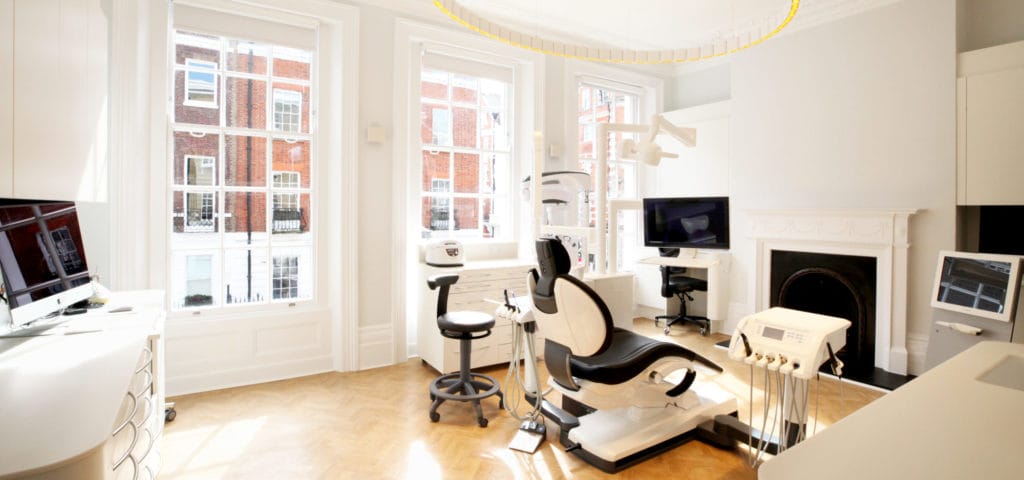
We believe we offer the perfect balance of location , professional expertise and digitally enabled dentistry on an in-house basis, should you need our bone grafting techniques to restore your oral health. We are delighted to have Prof Dr Christian Mehl , who has vast experience in bone augmentation surgery, at our clinic.
We genuinely appreciate that the decision to proceed with a dental implant is one to consider, and should you need bone augmentation in order for the implant to succeed, you may need more time, information and reassurance that you have chosen the right dental clinic to perform this surgery. Trust that we have all the resources on hand to meet and even exceed your care expectations.
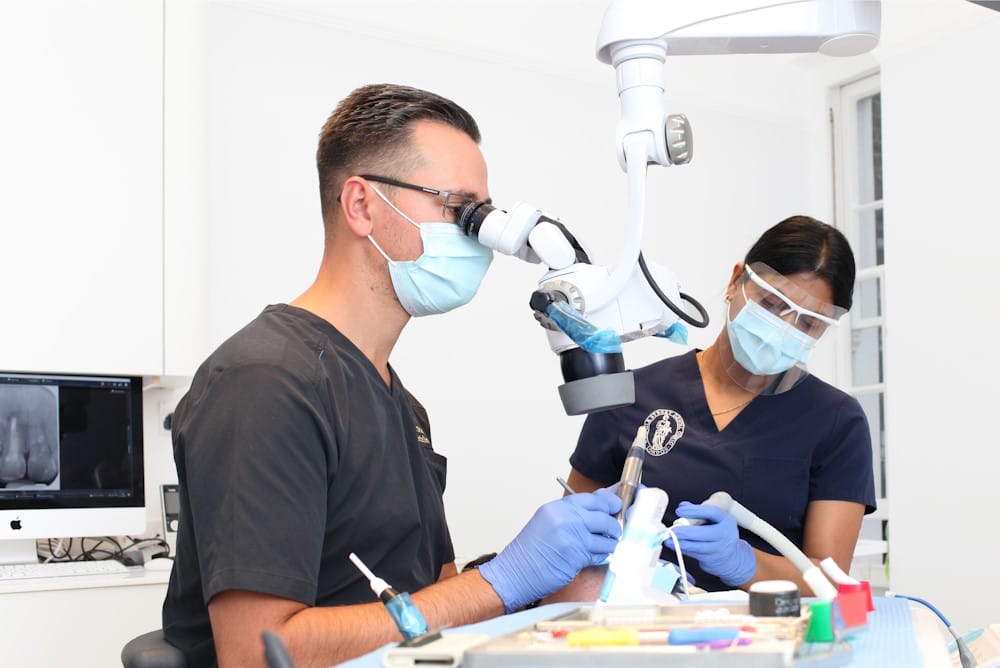
From the moment you contact us to your first consultation and onto your first surgical appointment, our digital workflow principles mean every expert involved is aware of your exact case. Plus, we confidently employ ultrasound-driven bone surgery (or Piezoelectric surgery) to work precisely, effectively and efficiently to deliver with the utmost care the bone augmentation you need.
Bone Grafting FAQs
How long does a bone graft take to heal?
Most patients can expect initial healing in 1–2 weeks and full new bone formation within 3 to 6 months. Healing time varies based on the type of bone graft, graft material used, and whether implant treatment occurs at the same time.
Is bone grafting painful?
The procedure is performed under local anaesthetic or sedation, so you won’t feel pain during surgery. Mild discomfort, swelling, or bruising may occur afterward but is easily managed with medication and proper dental care.
Can I get implants without grafting?
It depends on the amount of bone you have. If you still have enough natural bone, a bone graft may not be needed. Your dentist will take a 3D scan and assess bone volume to determine your best treatment options.
What is distraction osteogenesis?
A surgical method that gradually lengthens bone to regenerate tissue. It’s often used in complex cases or for major facial and jaw corrections, and shares concepts with spinal fusion surgery.
Are there different types of bone graft material?
Yes. Graft materials may include your own bone, donor bone, animal-derived bone, or synthetic bone grafts. Each has unique benefits depending on your needs, health, and suitability for different kinds of grafts.
What are the risks and complications?
As with any surgery, potential risks include infection, bleeding, delayed healing, or failure of the graft material to integrate with the jawbone. Your surgeon will explain the full list of risks and benefits before treatment.
How do I know which type of bone graft is right for me?
We assess the type of bone graft during your consultation based on your oral health, anatomy, and personal preference. We’ll consider autologous grafts, allografts, alloplastic grafts, and other types of grafts based on the expected outcome and suitability.
Can bone grafting be used with dentures?
Yes. In cases of significant bone loss, a bone graft may be used to create a better fit for dentures, improving stability and comfort.
Content updated
Written by: Prof Dr Christian Mehl
Medically reviewed by: Dr Raul Costa
Hero banner updated
Written by: Prof Dr Christian Mehl
Medically reviewed by: Dr Raul Costa
New page design
Written by: Prof Dr Christian Mehl
Medically reviewed by: Dr Raul Costa
Original content created
Written by: Prof Dr Christian Mehl
Medically reviewed by: Dr Raul Costa
Wimpole St Dental Clinic has strict sourcing guidelines and relies on peer-reviewed studies, academic research institutions, and medical associations. We avoid using tertiary references. You can learn more about how we ensure our content is accurate and current by reading our editorial policy.