What are dermal fillers?
Dermal fillers restore volume. Where anti-wrinkle injections relax a muscle so the skin above it stops creasing, fillers physically replace what age has taken away, lifting, contouring and rebalancing the face. The two treatments are constantly confused and they do opposite jobs.
Most fillers are made of hyaluronic acid, a substance your skin already produces. It holds water, which is what keeps skin hydrated and plump, and its levels fall as you age. That decline is a large part of why faces hollow, why folds deepen and why the jawline softens. A hyaluronic acid filler puts back something your body recognises.
It also means the treatment is reversible. Hyaluronic acid fillers can be dissolved with an enzyme if you are unhappy with the result or if there is a complication. That reversibility is one of the strongest arguments for having this done by a clinician who holds the dissolving agent and knows when to use it.
Why have fillers at a dental clinic?
Because the risk in filler treatment is anatomical, not cosmetic. The face is full of blood vessels, and the serious complications of filler, including vascular occlusion, happen when product goes somewhere it should not. Avoiding that depends entirely on knowing precisely what lies beneath the needle at every point.
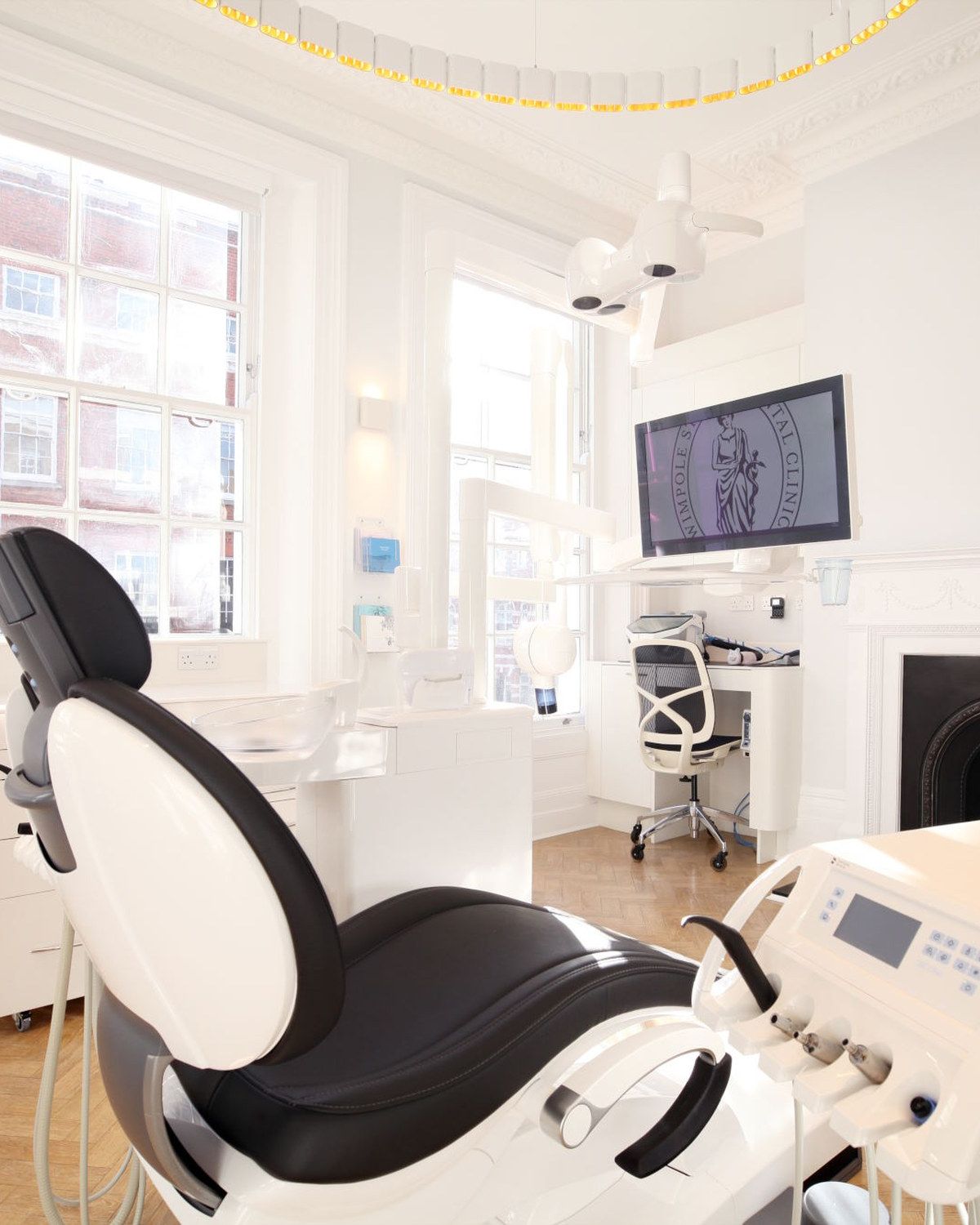
Dentists work in the head and neck every day and inject around those structures constantly. Add a clinical environment, a proper medical history, and the dissolving agent on site, and the safety argument answers itself. This is a medical procedure and it belongs in a clinical setting.
What fillers can do
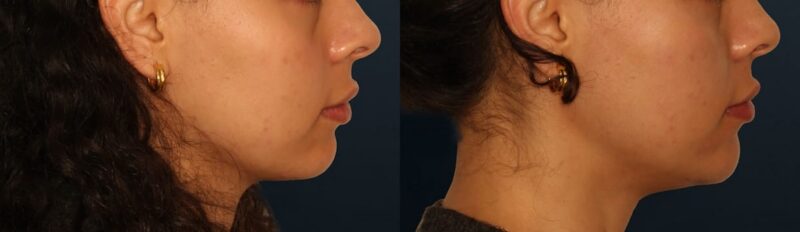
Restore volume in the cheeks and midface, where hollowing tends to start. Soften deeper folds around the nose and mouth that no longer improve with muscle relaxation alone. Define the jawline and chin, which changes facial balance more than most patients expect. Improve facial symmetry. And add fullness or definition to the lips.
The most common mistake is chasing individual lines. Volume loss at the cheek shows up as a fold at the mouth, and filling the fold treats the symptom while ignoring the cause, which is why over-filled faces look wrong even when each individual treatment seemed reasonable. Assessing the whole face and replacing volume where it was actually lost is what keeps the result natural.
What fillers cannot do
They will not relax a muscle, so lines caused purely by movement need anti-wrinkle injections instead. They will not improve skin quality, texture or laxity, which is what treatments such as Profhilo and Sunekos address. And they are not a substitute for a surgical facelift when skin laxity is significant. If that is what you need, we will say so rather than take your money for something that will disappoint you.
Your consultation and treatment
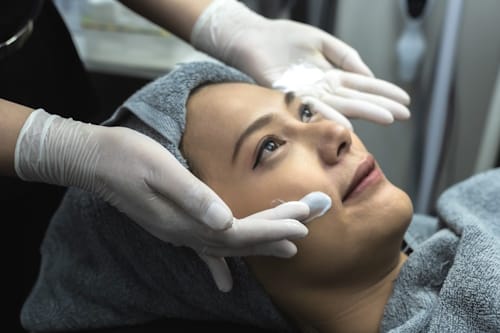
The aesthetic consultation is £150 and is redeemable against your treatment, so it costs you nothing if you proceed. We assess your facial structure, discuss what is bothering you, and agree a plan. Treatment takes around 45 minutes, and fillers usually contain local anaesthetic, so it is more comfortable than most people expect.
Expect some swelling and the possibility of bruising for one to two weeks, which is why it is worth planning around events rather than booking a week before one. The final result settles once that has resolved.
Aftercare
Avoid strenuous exercise, alcohol and very hot environments such as saunas for 24 to 48 hours, and try not to press or massage the area unless we have asked you to. Sleep on your back for the first night or two if you can. Any lumps in the first days are usually swelling rather than product and settle on their own. If you experience pain that increases rather than settles, or any blanching or discolouration of the skin, contact us immediately. That is rare, but it is the reason we ask you to have this done somewhere with a clinician on the end of the phone.