


Dental Bridges in London

Treatment
2+ hours

Price
From £3,900

Team Experience
50+ years

Recovery Time
24 hours

Google Rating
★★★★★ (4.9)
Examples of our work
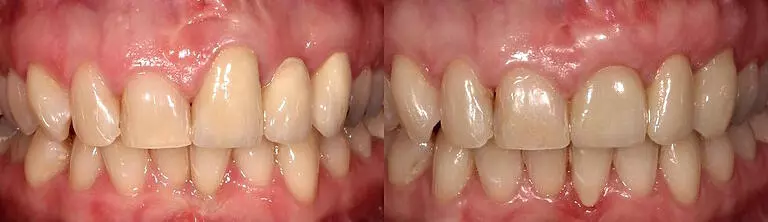
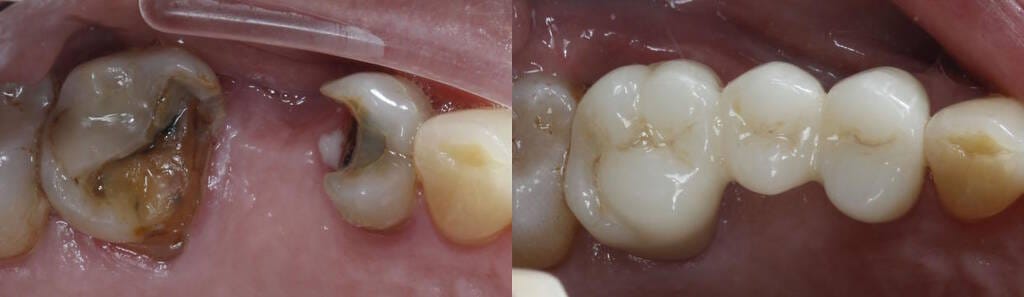
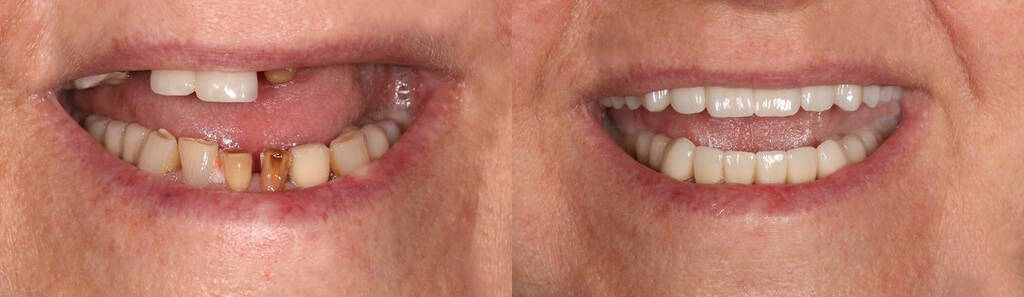
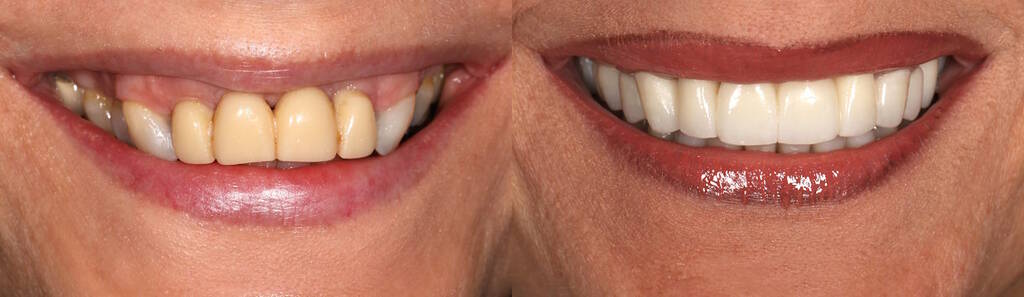
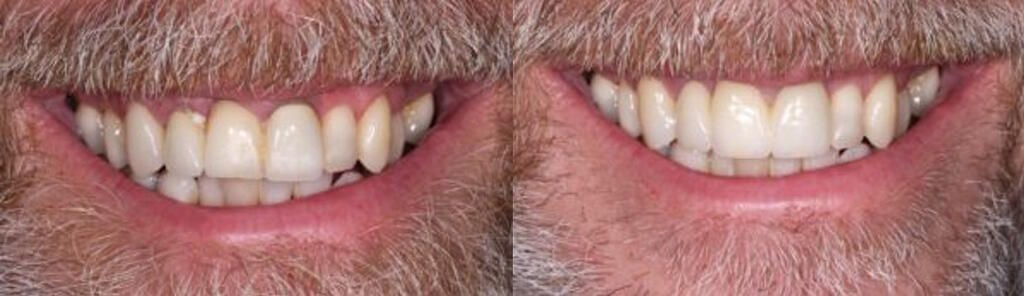
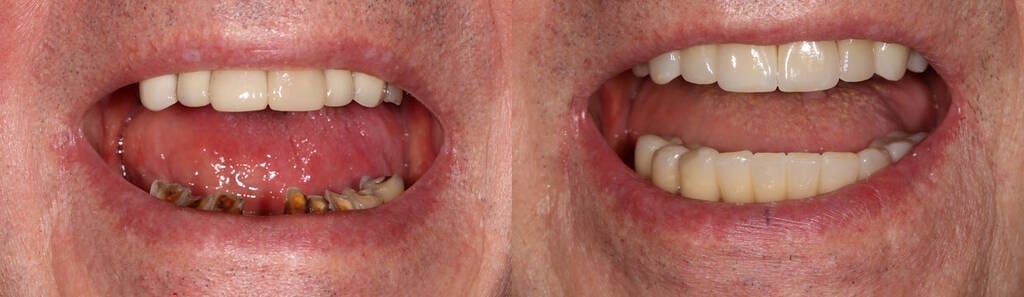
Dental bridges offer an effective solution for replacing missing teeth, restoring both function and aesthetics to your smile. At Wimpole Street Dental Clinic, our dental bridge case studies highlight the personalised approach we take to design and fit bridges that feel natural and look seamless. Each case demonstrates how we help patients regain confidence in their smiles and improve their overall dental health with durable, well-crafted solutions.

What are dental bridges?
A dental bridge is a fixed restoration used to replace one or more missing teeth. It consists of crowns on the abutment teeth or adjacent tooth/teeth, with one or more artificial teeth (pontics) in between. These are bonded into place using high-strength dental cement, literally “bridging” the gap.
Bridges can be supported by natural teeth or by dental implants, and they remain one of the most reliable tooth replacement options in dentistry.
Who is suitable for dental bridges?
Bridges are often considered when:
- The adjacent teeth already require crowns or have large fillings.
- You want a faster, less invasive option than oral surgery for implants.
- You need to replace many teeth in a fixed way without removable dentures.
Thanks to modern techniques and materials, the amount of enamel removed from natural teeth is much less than in the past, making the procedure gentler and more conservative. Bridges are also helpful where implants may not be suitable.
They can be particularly helpful in cases where dental implants are not an easy option.
Pros and cons of dental bridges
Like any treatment, dental bridges come with both advantages and considerations. One of the main benefits is that they provide a fixed solution – once the bridge is in place, it feels secure, strong and reliable. Bridges are carefully designed to be natural-looking and discreet, blending seamlessly with your smile so most people will never notice you are wearing one. They also help protect your long-term oral health, preventing neighbouring natural teeth from drifting into gaps and causing further alignment issues. For many patients, the dental bridge procedure is also less invasive and faster than undergoing full oral surgery for implants, making it a practical choice when time or suitability is a factor.
On the other hand, there are some points to consider. Placing a bridge usually requires some preparation of the adjacent teeth or the abutment tooth, which means a portion of the enamel must be reduced to support the crowns. Over the years, a bridge may also need repair or replacement, particularly if changes occur in your bite or surrounding teeth and gums. Finally, while bridges are excellent for restoring function and appearance, they do not stimulate the jawbone in the way that dental implants do, which may be a consideration for long-term bone preservation.
What does a bridge look like?
Our all-ceramic bridges are designed to look and feel just like your own natural teeth. Each restoration is individually colour-matched to your smile so that it blends perfectly with the surrounding dentition. Once bonded in place, the bridge becomes almost indistinguishable from your existing teeth, restoring not only your ability to eat and speak with ease but also the confidence of a natural-looking smile.
Types of dental bridges
There are many types of dental bridges available, and the right one depends on your smile and oral health:
- Traditional bridges – secured with crowns on either side of the gap.
- Maryland bridges – use a discreet framework bonded to the back of natural teeth, requiring minimal preparation.
- Implant-supported bridges – fixed onto dental implants, can replace many teeth in a row.
- Full ceramic dental bridge on teeth or implants – modern and biocompatible, offering superior aesthetics and strength.
Meet your award-winning Dental Bridges dentist and team…
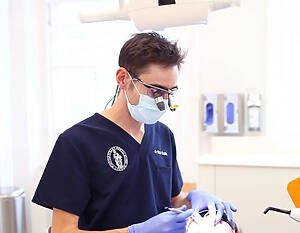
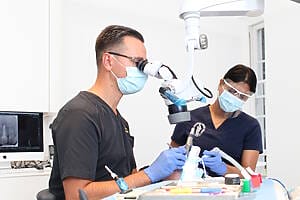
With over 75 years of combined dentistry experience and more than 10,000 treatments performed, our specialist team at Wimpole Street Dental Clinic delivers exceptional standards of care. As recognised leaders in the dental industry, we regularly teach, lecture, and publish our research internationally, ensuring that our patients benefit from the very latest techniques and knowledge in modern dentistry.



Dental bridge procedure
The dental bridge procedure is usually carried out in two visits:
Consultation & planning – Digital scans, X-rays and dental impressions are taken to map your teeth and gums.
Preparation – The abutment tooth/teeth are carefully reshaped to hold the supporting crowns.
Temporary bridge – A provisional bridge is placed by a dentist to protect your teeth while your final one is being crafted.
Final fit – Your bespoke all-ceramic bridge is bonded into place with adhesive cement.
The strength of your bridge lies in the material, the precision of the fit achieved by our dental professionals, and the support of your surrounding teeth and gums.











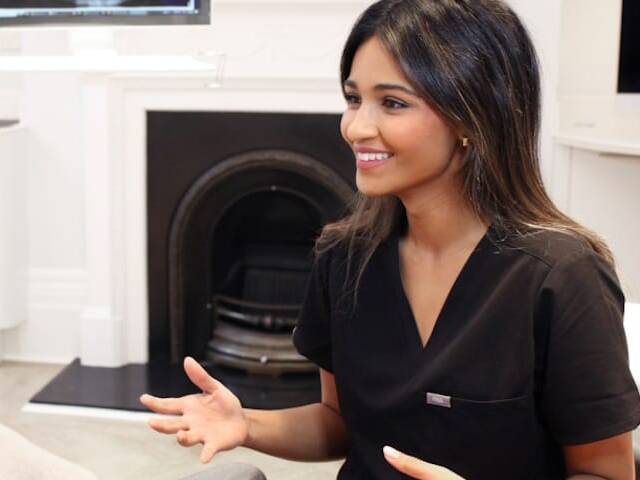
Looking for the best Dental Bridges in London?
If you are considering dental treatment for replacing one or more missing teeth within the mouth and creating a smile makeover, you are really looking for the perfect fit to deliver comfort and confidence in the look and feel of your teeth, but also how they perform for you in daily life.
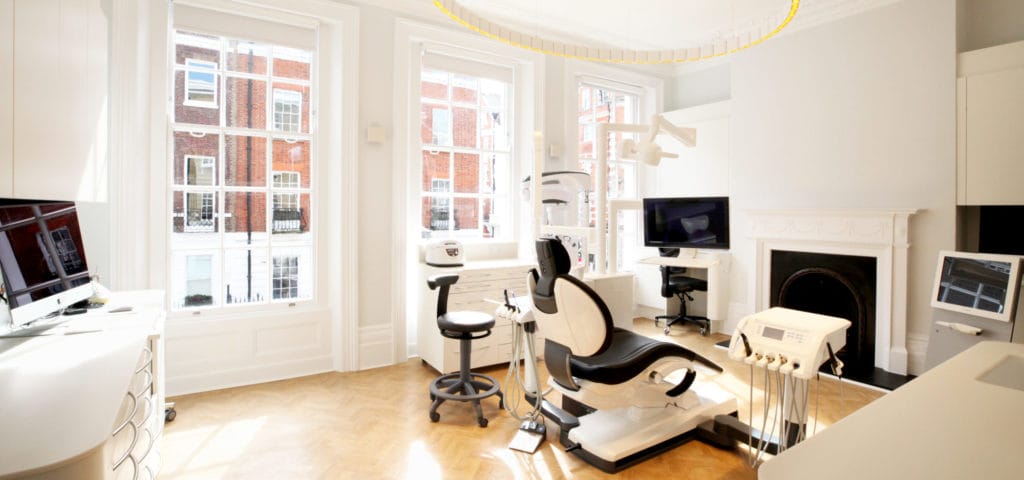
Your team at Wimpole Street Dental Clinic here in the heart of Marylebone’s medical district in London appreciate this concern and so has invested time and resources in equipping our clinic with state-of-the-art dentistry technology dedicated to creating a bespoke all-ceramic dental bridge tailor-made to your exact measurements and colour match within this specialist field of dentistry.
This level of attention to detail delivers a restorative solution offering long-term stability within the mouth, high durability, high biocompatibility, the fit you really need, and of course, the excellent aesthetic results you have both come to expect from us and so rightly deserve.
Our highly skilled and friendly dentists are just an appointment away to answer all of your questions about dental bridges and explain a prospective treatment plan.
Dental Bridges FAQs
Our ceramic bridges close the gap with two dental crowns or caps on either side of the missing tooth with an artificial or false tooth (bridge pontic) present in the middle, bonded in place using adhesive dental cement. A bridge can be used for filling gaps in front teeth, which is sometimes a more affordable alternative to something like dental implants. If you’ve suffered trauma or damage to your front teeth and are pursuing restorative treatment, speak to your dentist about whether a dental bridge is suitable for your situation.
Our bridge procedure will usually take at least two visits to our clinic here in London – one for consultation and preparation, and the second for fitting. Your dentist will be best placed to advise you on how long it may take exactly to adjust to your bridge. As an estimate, allow for a couple of weeks to be deemed settling-in time after your procedure.
A dental bridge is just a dental prosthesis made from a ceramic material, metal alloy or a combination of the two, which has been precisely prepared, fitted and secured by way of dental adhesive cement with anchor support provided by the good oral health of the neighbouring teeth. Our all-ceramic dental bridges offer high levels of biocompatibility in that it work well with living tissue. Should you have any concerns regarding the safety of the use of dental bridges or other dental issues, please consult with a member of our team.
A well-made dental or fixed bridge can go problem-free for several decades with robust oral care and maintenance.
Please allow your dentist the opportunity to both evaluate your loose bridge in the clinic then recommend the best course of action for you by booking an appointment with us at our dental practice as soon as possible.
Your oral hygiene regime is vital to the ongoing care of your bridge as it is for your natural teeth. We recommend that you brush your teeth twice a day , floss regularly and remove any plaque which accumulates.
We offer ceramic bridges (using dental porcelain, for example) as we believe they offer our patients the best possible functional and aesthetic results, providing long-term stability, precise fit, high durability and high biocompatibility. Other common materials used to produce bridges include non-precious metal alloys or gold, plus you can also consider a combination product – a metal-ceramic option is also possible. It is increasingly common for zirconia (depending on the type of bridge you have) to be used to manufacture a dental bridge due to its strong and durable properties. Zirconia bridges can last for a lifetime with proper care and maintenance. Ask your dentist about what materials are available to you and their benefits at your initial consultation. When thinking about your preferred material for your bridge procedure, it may be prudent to consider the benefits it will provide to your ongoing oral health and well-being.
The strength of traditional bridges lies in the material used to produce it, the precise tailor-made fit, which is achieved by your dental care team, use of adhesive dental cement to bond it into place, in addition to the support offered by the neighbouring healthy teeth, affected gums and portion of the jaw. Your dentist will be able to assess your own individual case as presented during your appointment.
The choice between a dental implant or bridge can depend on your individual case, but is also greatly affected by how many missing teeth you are seeking to replace. A dental implant can restore a single missing tooth most effectively, but it is a surgical procedure, whereas a dental bridge or dental prosthesis (you might be more familiar with the term “false teeth” or an “artificial tooth”) can be tailor-made to close the gap present in your smile caused by up to four missing teeth. Your dentist will be able to explain the difference between dental implants and bridges.
Content updated
Written by: Prof Dr Christian Mehl
Medically reviewed by: Dr Raul Costa
Content updated
Written by: Dr Raul Costa
Medically reviewed by: Prof Dr Christian Mehl
New page design
Written by: Prof Dr Christian Mehl
Medically reviewed by: Dr Raul Costa
Original content created
Written by: Prof Dr Christian Mehl
Medically reviewed by: Dr Raul Costa
Wimpole St Dental Clinic has strict sourcing guidelines and relies on peer-reviewed studies, academic research institutions, and medical associations. We avoid using tertiary references. You can learn more about how we ensure our content is accurate and current by reading our editorial policy.
- Mehl C, Kern M, Zimmermann A, Harder S, Huth S, Selhuber-Unkel C. Impact of Cleaning Procedures on Adhesion of Living Cells to Three Abutment Materials. Int J Oral Maxillofac Implants. 2017 Sep/Oct;32(5):976-984. doi: 10.11607/jomi.5630. PMID: 28906501.