



Dental Fillings in London

Treatment
30+ minutes per filling

Price
From £250

Team Experience
50+ years

Recovery Time
3 hours

Google Rating
★★★★★ (4.9)
Examples of our work
Dental fillings are essential for restoring teeth affected by decay or minor damage, helping to preserve tooth structure and prevent further issues. At Wimpole Street Dental Clinic, our filling case studies demonstrate how we use durable, tooth-colored materials to seamlessly blend with each patient’s natural smile. Each case reflects our dedication to minimally invasive techniques and lasting results that ensure a healthy, confident smile.
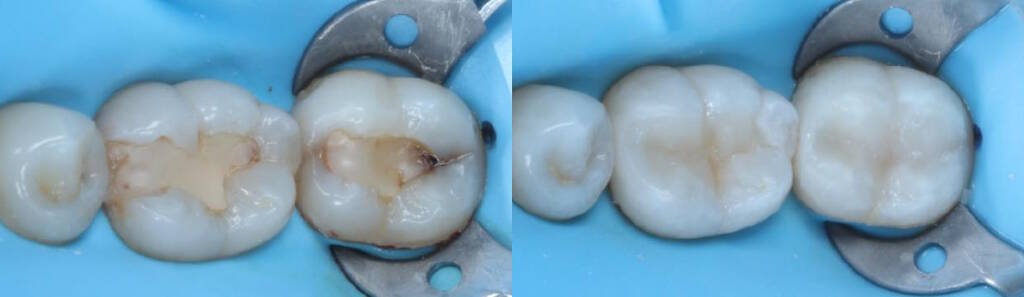
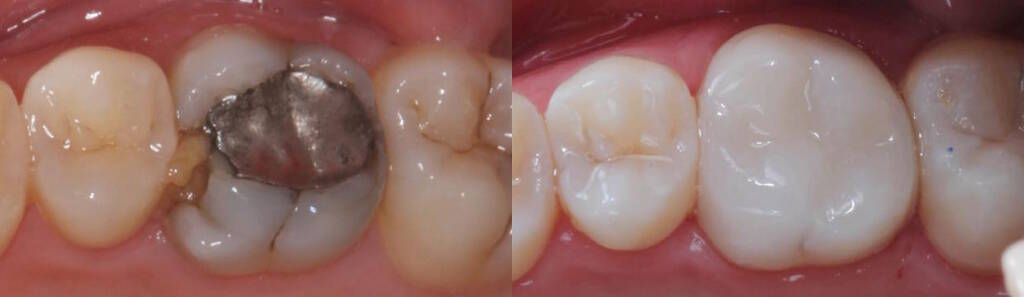
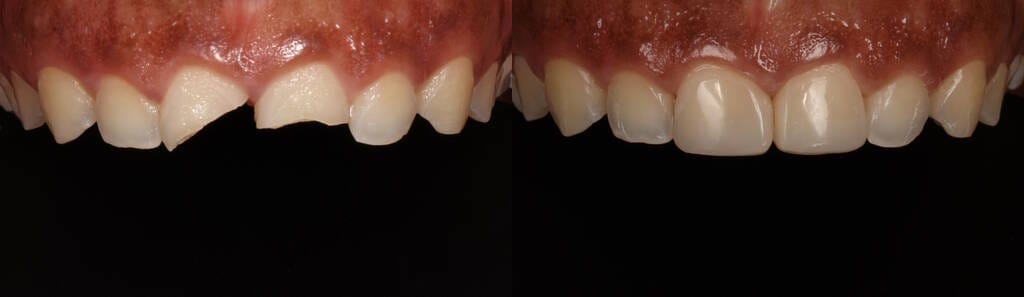
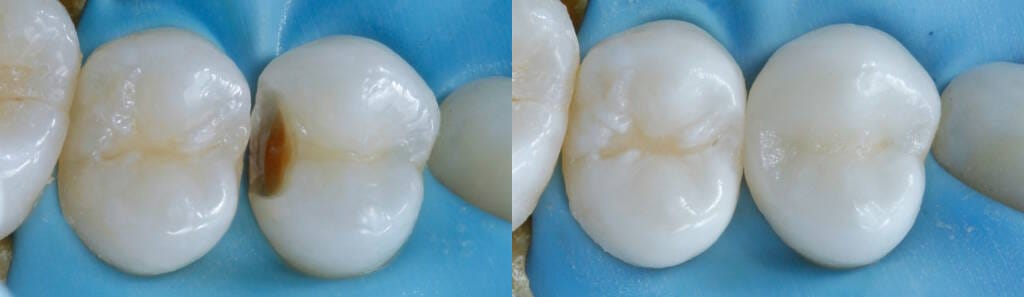
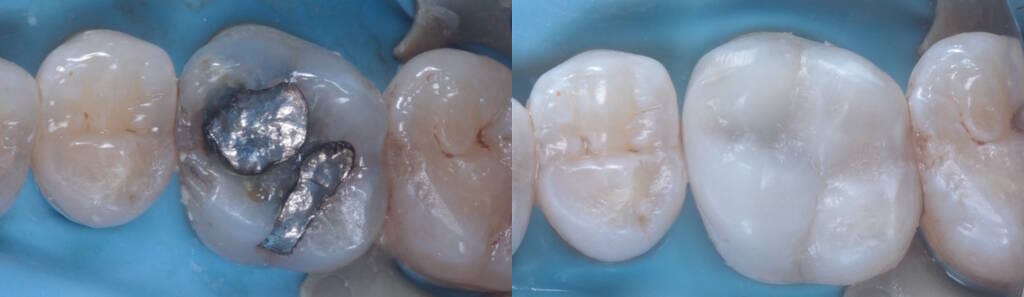
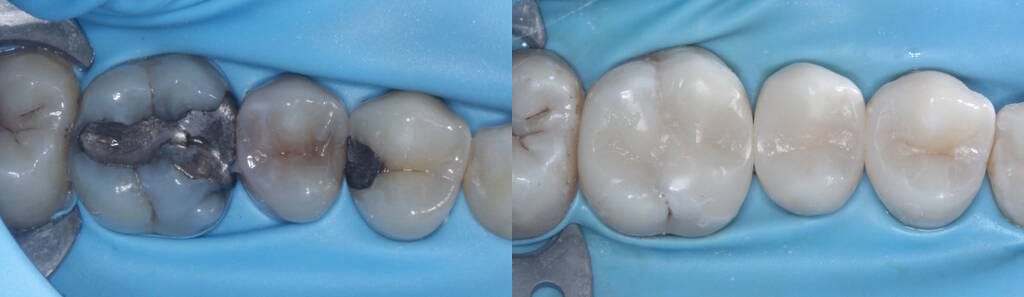

Restoring teeth with precision and artistry
Every dental filling performed at our clinic is an exercise in precision. We use coloured fillings made from advanced dental composites that replicate the translucency and texture of natural enamel.
Our fillings restore your teeth to their natural form, protecting them from further damage while preserving as much healthy tissue as possible. This refined approach allows us to maintain the integrity of your natural tooth structure, resulting in an elegant, seamless finish.
What is a dental filling?
A filling repairs damage caused by dental decay or wear. Once the damaged tissue is carefully removed, the remaining cavity is restored using composite or ceramic material to rebuild strength and stability.
Fillings are also referred to as direct restorations as they are completed in one appointment. For larger cases, indirect restorations such as inlays or onlays may be used, created in our in-house lab for a precise, custom fit.
Composite fillings – the modern standard
Our composite resin fillings (also known as white fillings) are crafted using a blend of glass and composite resin, which bonds directly to the tooth. This material allows for conservative preparation and provides a natural look that blends perfectly with the surrounding enamel.
Unlike traditional metal fillings, composite resin can be sculpted to match the exact shade and contour of your natural teeth. It’s an ideal solution for visible areas of your mouth, restoring both strength and aesthetics in a single visit.
Ceramic restorations for a superior result
For patients seeking ultimate durability and refinement, we offer ceramic inlays and onlays — handcrafted restorations made from high-strength porcelain. These restorations are particularly suited for back teeth, where extra strength is required.
Our ceramics are created using digital scanning or traditional moulds, ensuring an impeccable fit and harmonious colour match. They are the gold standard in coloured restorations, offering long-term strength, polish, and biocompatibility.
Other filling materials
Gold fillings
Traditionally known for their durability (lasting 20–30 years), gold fillings are now seldom used due to the superior performance of ceramics.
Amalgam fillings
Also called “silver fillings,” amalgam contains metals, including mercury and is no longer recommended due to concerns over micro-fractures, leakage, and aesthetics. We specialise in safe amalgam removal, using protective barriers and high-volume suction to minimise mercury exposure before replacing old fillings with modern, mercury-free alternatives.
Cement fillings
Used occasionally in emergency cases, cement (often glass ionomer) provides temporary coverage until a more permanent solution can be placed.
Who is suitable for dental fillings?
Most patients with early dental decay, cracks, or mild wear are suitable for fillings. Common signs include:
- Sensitivity to hot, cold, or sweet foods
- A chipped or rough surface on a tooth
- Food getting caught between teeth
- Visible dark spots or staining
Because holes in teeth can develop silently, we recommend routine examinations with your dentist and hygienist to detect decay before symptoms arise. Early diagnosis means easier, less invasive treatment and a better long-term outcome.
What happens during a tooth repair appointment?
Your tooth repair appointment at Wimpole Street Dental Clinic is calm, efficient, and pain-free:
- Examination: Using digital imaging and magnification, your dentist identifies decay or damage.
- Anaesthesia: Local anaesthetic ensures a completely comfortable experience.
- Decay removal: Only damaged tissue is removed, preserving your natural tooth.
- Restoration: Composite or ceramic material is layered and sculpted to restore function and appearance.
- Polish: The filling is contoured and polished for a smooth, lifelike finish.
Treatment typically takes around 30 minutes per filling, and you can eat normally once the anaesthetic has worn off after a few hours.
The healthiest options for your smile
We only use biocompatible materials that are safe, durable, and aesthetically refined.
Our composite resin fillings and porcelain inlays are both excellent long-term solutions that protect your oral health and maintain the natural look of your smile.
Every material used at our clinic is rigorously tested for safety, longevity, and performance, ensuring that your filling feels and functions like a natural tooth.
Preventing decay and protecting your natural tooth structure
Preventive care is the foundation of our philosophy. We work closely with our patients to preserve their natural teeth through:
- Regular dental check-ups and hygiene visits
- Personalised advice from your hygienist
- Diet management to reduce sugar and acid exposure
- Early intervention before decay develops
Preserving your natural tooth structure is always our priority — a principle that guides every treatment we perform.
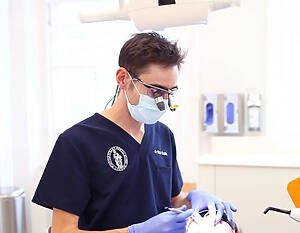
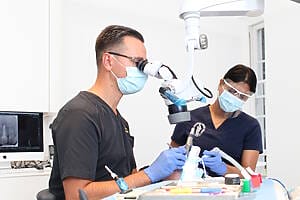
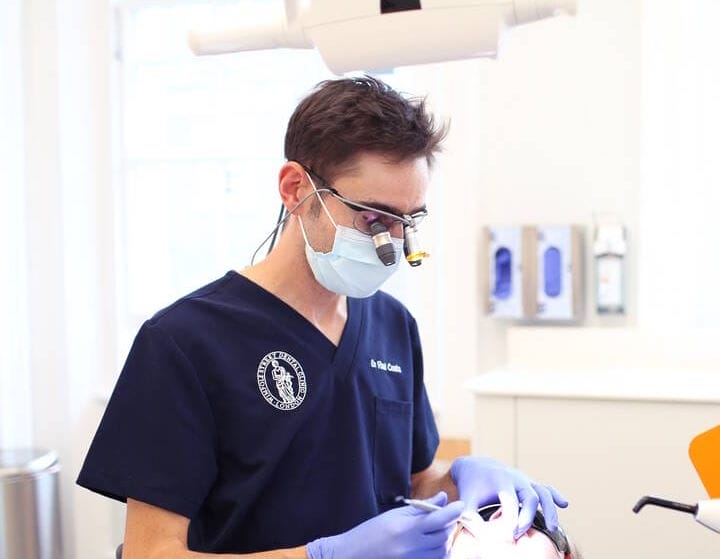
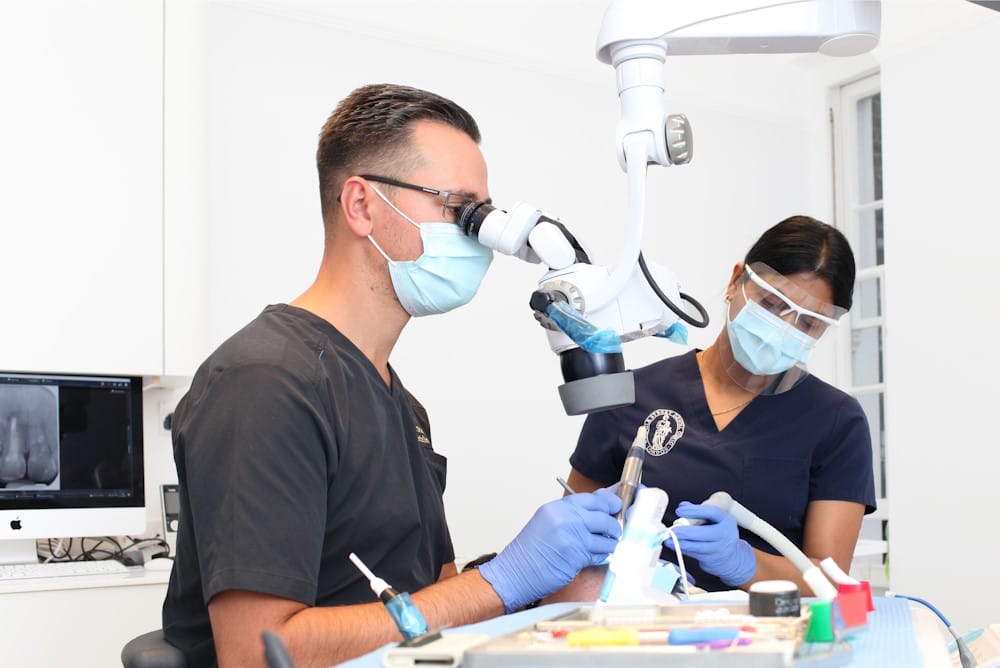
Meet your award-winning Dental Fillings dentist and team…
With internationally recognised specialist-led expertise, we deliver restorative dentistry of the highest standard using advanced composite resins and ceramics for lifelike, long-lasting results. Our precision diagnostics, including digital X-rays and high magnification, allow for early detection and minimal intervention, while our tranquil, private environment ensures an exceptional patient experience from start to finish. Every restoration is crafted for long-term protection and durability, all within a clinic that blends luxury surroundings with elite, high-end dental care in the heart of London.



Amalgam removal at our London practice
If your existing amalgam fillings are cracked, leaking, or discoloured, our expert clinicians can replace them safely. Using rubber dam isolation and precise suction systems, we remove mercury-containing fillings while preserving surrounding enamel.
Your replacement restoration — whether composite or ceramic — will be tailored to your smile, combining biocompatibility, strength, and natural beauty. Learn more on our amalgam removal page.














Looking for the best Dental Fillings in London?
Undergoing dental treatment can often be a daunting and uncomfortable experience, but at our clinic, we prioritise making this experience as comfortable and stress-free as possible. Our team of highly skilled and experienced dentists provides care that is not only effective but also empathetic. Their expertise and rigorous approach in dental procedures ensure that every visit to our clinic is as smooth and reassuring as it can be. In fact, some of our patients have even described their treatment experiences as surprisingly relaxing!
One of the key aspects of our dental care is the emphasis on the longevity of the treatment and, most importantly, the preservation of your existing healthy tooth structure. Our dentists employ state-of-the-art techniques and materials to ensure that every procedure contributes to the long-term health and stability of your teeth.
Additionally, our clinic takes great pride in the transparency and educational aspect of our dental care. Our dentists meticulously document each step of the treatment process using intra-oral photography. This not only allows us to maintain a high standard of care but also provides you, the patient, with a unique opportunity to view and understand the different stages of your treatment. Seeing the detailed images of your dental procedures can be an enlightening experience, giving you a deeper insight into the care and precision that goes into every aspect of your dental health journey with us.
Frequently Asked Questions
What is tooth decay?
Bacteria and food remnants may settle on the tooth over time, building a thin coat of plaque . Food containing carbohydrates is broken down by these bacteria, producing acids. These, in turn, break down the hard tooth enamel, enabling microorganisms to enter the tooth and destroy it from the inside. This is the cause of cavities.
What are tooth fillings made of?
The tooth filling material we select to use is composite fillings or ceramic inlays. Composite fillings, also known as plastic fillings, are made of tooth-coloured, plastic material applied to your tooth in layers. Once applied, the material is hardened with a special light. Inlays, often the most appropriate option for larger cavities, are made using a ceramic material such as porcelain which is crafted in our dental laboratory to provide a perfect aesthetic match after a digital or conventional teeth mould has been made after decay removal. As previously mentioned above, patients may also have had other varieties of tooth fillings such as amalgam fillings (silver), cement fillings, gold fillings and ceramic fillings.
When can a tooth be filled?
If your individual case presents as suitable for a tooth filling procedure, the tooth can be filled during a booked appointment with your dentist once the extent of the tooth decay and its exact location have been identified and the best dental care options for you have been discussed and agreed upon. A member of our team will be in the best position to advise you further during your initial consultation with us.
Can a tooth decay under a filling?
Yes, in two circumstances: when the filling was not done at the highest standards and decay was left behind, and when a new decay process started in the vicinity of the filling. Very old fillings can also suffer from leaking margins, through which bacteria penetrate and decay, known as secondary decay, can be established.
How do I know if I have a cavity?
In the vast majority of times, tooth decay does not result in toothache . It only reaches that stage if left untreated. Once extensive, decay can spread towards the nerve of the tooth. This results in severe pain and inflammation of the nerve. What is known as deep-reaching tooth decay often requires root canal treatment. It is because of lack of symptoms that patients should visit the dentist on a regular basis, to avoid painful and expensive treatments further down the line.
How much is a tooth filling?
At Wimpole Street Dental Clinic, fillings currently cost between £250-£575, depending on the size of the cavity and the time that it takes to restore it.
What does a tooth that needs a filling look like?
Very rarely can a patient identify a tooth that needs a filling, except when the decay is very extensive. It may look almost exactly like a healthy tooth, it may look slightly discoloured, it may present a crack, etc – usually very subtle signs that require the observation of an experienced dentist using high magnification. Signs that a tooth might need a filling include:
Chipped or fractured tooth enamel
Dark spots around or in the tooth
Sensitivity or throbbing pain in the affected area
Food regularly gets stuck between teeth
The flossing string visibly tears each time a particular tooth is flossed
Do tooth fillings hurt?
Not at all. The procedure is entirely painless thanks to local anaesthesia. There may be some very mild discomfort afterwards for a short period of time.
How often should tooth fillings be replaced?
Modern composite fillings, depending on their size, can last between five to 15 years on average. In contrast to this, some ceramic fillings and gold inlays may last 20 years and more. How long an inlay or a filling will last also depends on its position and size. In addition, your oral hygiene is an important factor in the durability of your inlay or filling. Brushing twice a day and flossing will help maintain overall oral health. Being careful with the diet, meaning avoiding snacking on sugary acidic foods, will also be crucial. Please contact us for more advice on how to care for your filling or inlay.
What should I do if my tooth filling falls out?
We can guarantee that our fillings will never fall out, but it can happen to old amalgam ones or with fillings that were incorrectly fitted. In any case, if that happens to you, it is usually not an emergency but it should be restored as quickly as possible. Contact us at our London dental clinic, and we will be in the best position to advise you on the necessary treatment options appropriate for your individual case and as presented.
How long should a tooth hurt after a filling?
Temporary tooth sensitivity or discomfort may be present after a tooth filling procedure, but it is often not significant and goes away within a few days. If it doesn’t, do contact your dentist.
What is the healthiest tooth filling?
The healthiest tooth filling options are composite resin and porcelain fillings. Both materials have shown excellent durability, safety, and longevity when properly cared for. We would always encourage the preservation of your own natural teeth via a regular schedule of dentist and dental hygiene appointments with us, together with your own personal oral hygiene regime to ensure optimum oral health.
Can I do a tooth filling at home?
No. A tooth-filling procedure requires expert dental care to ensure the greatest chance of clinical success, so it is advisable to book an appointment with your dentist here at the clinic to perform it for you.
Can you remove amalgam fillings?
Amalgam fillings have long been a durable and cost-effective option for dental restorations, but concerns about their mercury content, expansion and contraction, and aesthetics have led many to seek alternatives. Modern composite and ceramic fillings offer safer, more natural-looking solutions. Read our amalgam removal guidance for more information.
What should I eat after a tooth filling?
You can eat everything after a tooth filling, although the numbness will make it quite challenging!
What makes Wimpole Street Dental Clinic one of the best places for dental fillings in London?
Our clinic offers a level of precision and artistry rarely found outside specialist environments. Every filling is carried out by highly experienced clinicians using advanced composite materials and digital imaging technology to achieve restorations that look and feel indistinguishable from your natural tooth structure.
Our patients value our meticulous attention to detail, the calm, private environment, and our ability to combine luxury care with clinical excellence — a hallmark of Wimpole Street Dental Clinic.
What are white fillings?
White fillings, also known as tooth-coloured fillings or composite resin fillings, are crafted from advanced dental composites made of glass and resin. These materials are bonded directly to your tooth and can be colour-matched precisely to your natural teeth, restoring strength and structure without compromising aesthetics.
They are ideal for visible areas of the mouth, offering both protection and a beautifully natural look.
Can a filling help if I’ve chipped a tooth?
Yes. Minor chips or fractures can often be repaired during a single tooth repair appointment using coloured fillings made from composite resin. The material is sculpted to mimic your tooth’s original natural form and polished to perfection, restoring a seamless smile.
For larger chips or fractures, your dentist may recommend an inlay, onlay, or veneer for added strength and longevity.
Are dental fillings suitable for back teeth?
Absolutely. Modern composite resin fillings and ceramic inlays are durable enough for back teeth, where bite pressure is higher. Our clinicians choose materials engineered for strength while maintaining a smooth, polished finish that resists wear — ensuring your treatment is both functional and beautiful.
Can I replace my metal fillings with white ones?
Yes. Many of our patients choose to replace old amalgam fillings with tooth-coloured composite or ceramic restorations for a more natural aesthetic and improved safety. We offer safe amalgam removal procedures at our London dental practice, using protective barriers and high-volume suction to eliminate mercury exposure while preserving healthy tooth enamel.
What should I do if my filling breaks or comes loose?
If your filling breaks or falls out, contact our emergency dentist in London as soon as possible. Although it’s rarely an urgent emergency, timely treatment prevents further dental decay or discomfort.
Our team will restore the tooth using modern composite materials designed to blend flawlessly with your natural teeth and resist wear.
Are composite fillings safe and long-lasting?
Yes. Composite fillings are mercury-free, biocompatible, and designed for exceptional durability. When placed by our experienced clinicians, they can last more than a decade with good oral hygiene. These coloured restorations bond seamlessly to the tooth surface, helping protect against future decay while maintaining your tooth’s natural form.
Can I have sedation during my filling treatment?
Yes — if you feel anxious about dental treatment, we can provide conscious sedation for ultimate relaxation and comfort. Many patients find that our calm, supportive approach removes the need for sedation altogether, but we are fully equipped to accommodate anxious patients who prefer it.
How can I prevent needing future fillings?
The best way to avoid dental decay is to maintain an excellent daily hygiene routine — brushing twice daily, flossing, and visiting your hygienist regularly. Avoiding frequent sugar or acid exposure will also help preserve your natural tooth structure.
Our preventive philosophy focuses on long-term oral health and early intervention, ensuring your smile remains strong and healthy for years.
How soon can I eat or drink after a filling?
Once your anaesthetic wears off (typically within 2–3 hours), you can resume normal eating and drinking. We recommend starting with softer foods until any mild sensitivity settles. Avoid chewing hard foods directly on the new filling for the first day for optimal results.
Why choose composite fillings over amalgam?
Composite fillings are metal-free, aesthetic, and bond directly to the tooth, preserving more of the original enamel. Unlike amalgam, they do not expand or contract with temperature changes, reducing the risk of cracks. At Wimpole Street Dental Clinic, we exclusively use biocompatible materials that ensure long-term strength, comfort, and a flawless natural look.
Do you photograph the process of dental fillings?
Yes. Transparency and education are key parts of our care. We often use intraoral photography during your filling procedure, allowing you to see before-and-after images of your teeth. This ensures you fully understand the treatment and appreciate the precision and craftsmanship behind your restored smile.
Content updated
Written by: Prof Dr Christian Mehl
Medically reviewed by: Dr Raul Costa
New page design
Written by: Prof Dr Christian Mehl
Medically reviewed by: Dr Raul Costa
Original content created
Written by: Prof Dr Christian Mehl
Medically reviewed by: Dr Raul Costa
Wimpole St Dental Clinic has strict sourcing guidelines and relies on peer-reviewed studies, academic research institutions, and medical associations. We avoid using tertiary references. You can learn more about how we ensure our content is accurate and current by reading our editorial policy.
- Tan SS, Ken Redekop W, Rutten FF. Costs and prices of single dental fillings in Europe: a micro-costing study. Health Econ. 2008 Jan;17(1 Suppl):S83-93. doi: 10.1002/hec.1326. PMID: 18186032.
- Worthington HV, Khangura S, Seal K, Mierzwinski-Urban M, Veitz-Keenan A, Sahrmann P, Schmidlin PR, Davis D, Iheozor-Ejiofor Z, Rasines Alcaraz MG. Direct composite resin fillings versus amalgam fillings for permanent posterior teeth. Cochrane Database Syst Rev. 2021 Aug 13;8(8):CD005620. doi: 10.1002/14651858.CD005620.pub3. PMID: 34387873; PMCID: PMC8407050.
- Agnihotry A, Fedorowicz Z, Nasser M. Adhesively bonded versus non-bonded amalgam restorations for dental caries. Cochrane Database Syst Rev. 2016 Mar 8;3(3):CD007517. doi: 10.1002/14651858.CD007517.pub3. PMID: 26954446; PMCID: PMC6599857.
- Rasines Alcaraz MG, Veitz-Keenan A, Sahrmann P, Schmidlin PR, Davis D, Iheozor-Ejiofor Z. Direct composite resin fillings versus amalgam fillings for permanent or adult posterior teeth. Cochrane Database Syst Rev. 2014 Mar 31;(3):CD005620. doi: 10.1002/14651858.CD005620.pub2. Update in: Cochrane Database Syst Rev. 2021 Aug 13;8:CD005620. PMID: 24683067.