








What are red gums?
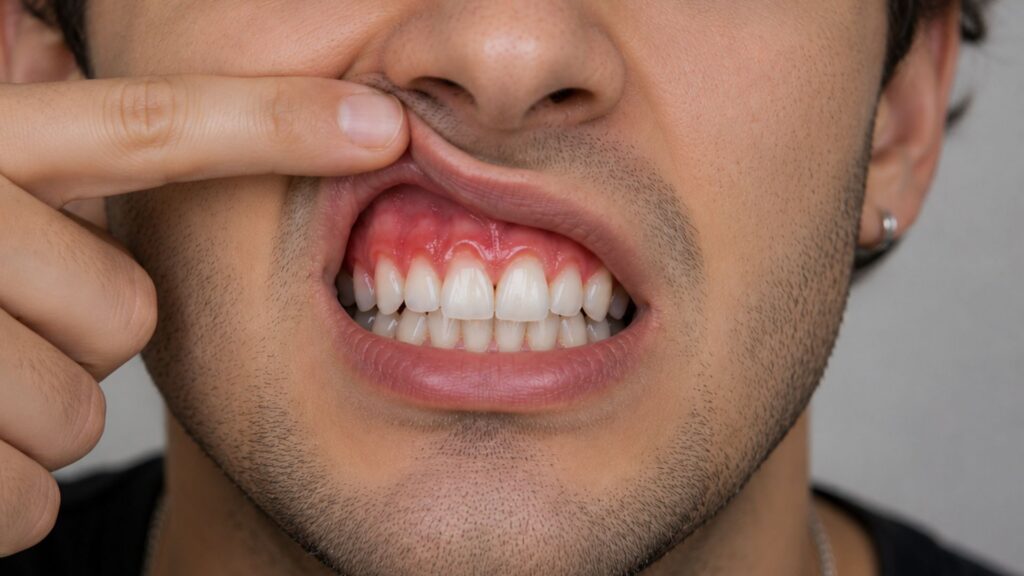
Red gums refer to inflammation of the gum tissue that causes it to appear darker, swollen or irritated compared to the normal healthy pale pink colour. Redness is often an early sign that the gums are reacting to irritation, infection or trauma. While mild redness may be temporary, persistent red gums usually indicate an underlying problem that requires attention.
Healthy gums fit snugly around the teeth and have a firm, coral-pink appearance. When inflammation develops, blood flow to the area increases, causing the tissue to appear red and swollen. This inflammation may be localised to one area or affect the entire mouth. Red gums can occur in people of all ages and may range from mild sensitivity to severe discomfort and bleeding.
Addressing red gums early is important because gum inflammation is reversible in its early stages. If left untreated, it can progress to more serious gum disease, bone loss and long-term damage to tooth support.
Why red gums matter
Red gums are a visible warning sign that the tissues supporting the teeth are under stress. Inflammation weakens the attachment between the gums and teeth, allowing bacteria to penetrate deeper into the tissue. Over time, this can lead to the formation of gum pockets, increased plaque accumulation and destruction of supporting bone.
Persistent inflammation also affects overall oral comfort. Patients may experience bleeding during brushing, tenderness when eating and ongoing irritation. Red gums may contribute to bad breath due to bacterial activity and trapped debris.
There is also a broader health connection. Chronic gum inflammation has been linked to systemic conditions such as diabetes and cardiovascular disease. Managing gum health helps protect not only the mouth but general wellbeing.
Causes and risk factors
Plaque build-up and poor oral hygiene
The most common cause of red gums is plaque accumulation along the gum line. Plaque contains bacteria that produce toxins, irritating the gums and triggering inflammation. When plaque is not removed effectively through brushing and cleaning between the teeth, it hardens into tartar, which further increases irritation.
Gum disease
Gingivitis is the early stage of gum disease and is characterised by red, swollen and bleeding gums. If untreated, gingivitis can progress to periodontitis, where deeper tissues and bone become affected. Redness is often the first visible sign of this disease process.
Hormonal changes
Hormonal fluctuations during puberty, pregnancy and menopause can make gums more sensitive to plaque. Increased blood flow to the gums during these periods may cause redness and swelling even when plaque levels are relatively low.
Smoking and tobacco use
Smoking reduces blood supply to the gums and alters immune response. Although smokers may bleed less visibly, inflammation is often present beneath the surface. Smoking significantly increases the risk of gum disease and delayed healing.
Medical conditions
Conditions such as diabetes weaken the immune response and increase susceptibility to infection and inflammation. Poorly controlled diabetes is strongly linked to gum disease and persistent redness.
Medications
Some medications cause gum enlargement or increase sensitivity, making gums more prone to inflammation. Others reduce saliva flow, indirectly increasing plaque build-up and irritation.
Mouth breathing and dry mouth
Breathing through the mouth dries out the gum tissue and reduces saliva’s protective effects. This increases bacterial activity and makes gums more vulnerable to irritation and redness.
Mechanical irritation
Ill-fitting dentures, braces, rough fillings or aggressive brushing can physically irritate the gums, leading to redness and soreness.
Symptoms
Red gums may be accompanied by a range of symptoms, including:
- Visible redness or darkening of the gum tissue
- Swelling or puffiness around the teeth
- Bleeding during brushing or flossing
- Tenderness or soreness
- Bad breath or unpleasant taste
- Shiny or smooth gum appearance
- Sensitivity when eating hot or spicy foods
- Gum discomfort when brushing
- Changes in gum shape or contour
- Increased plaque accumulation near the gum line
In early stages, discomfort may be mild, but symptoms often worsen without treatment.
How red gums affect oral health
Inflamed gums lose their tight seal around the teeth, allowing bacteria to penetrate beneath the surface. This creates pockets where plaque and debris accumulate, accelerating disease progression. Over time, untreated inflammation can destroy the supporting bone around the teeth, leading to looseness and tooth loss.
Red gums also increase sensitivity and bleeding, which may discourage thorough brushing. Reduced cleaning allows plaque to build up further, creating a cycle of inflammation and worsening gum health. Early intervention helps break this cycle and restores healthy tissue.
Diagnosis
Diagnosis focuses on identifying inflammation, plaque levels and underlying causes.
- Visual examination: assessing redness, swelling and tissue texture.
- Bleeding assessment: checking for bleeding during gentle probing.
- Gum pocket measurement: identifying early gum disease.
- Plaque and tartar evaluation: determining hygiene effectiveness.
- Medical history review: identifying conditions affecting gum health.
- Medication assessment: evaluating drugs that may contribute to inflammation.
- Bite and appliance check: identifying mechanical irritation sources.
Accurate diagnosis allows targeted treatment and prevention of progression.
Treatment and management
Professional cleaning and plaque removal
Professional cleaning removes plaque and tartar that cannot be eliminated through brushing alone. This reduces bacterial load and allows gums to heal. In cases of gingivitis, professional cleaning combined with improved home care often resolves redness within weeks.
Improving daily oral hygiene
Correct brushing technique and daily interdental cleaning are essential. Patients are advised to use soft-bristled toothbrushes and gentle circular motions to clean along the gum line without causing trauma. Interdental brushes or floss remove plaque from areas toothbrushes cannot reach.
Managing underlying gum disease
When red gums are caused by early gum disease, targeted periodontal treatment may be required. This can include deep cleaning beneath the gum line to remove bacteria and reduce inflammation.
Addressing contributing factors
Smoking cessation significantly improves gum health and healing ability. Managing dry mouth, adjusting ill-fitting dental appliances and treating medical conditions such as diabetes help stabilise gum tissue.
Antimicrobial support
In some cases, antimicrobial mouth rinses or gels may be recommended for short-term use to help control bacterial activity and reduce inflammation. These are used alongside, not instead of, mechanical plaque removal.
Monitoring and maintenance
Regular dental check-ups and hygiene visits help monitor gum health and prevent recurrence. Long-term maintenance is essential for patients prone to inflammation.
Prevention and self-care
- Effective brushing: twice daily brushing with fluoride toothpaste removes plaque.
- Daily interdental cleaning: floss or brushes remove debris between teeth.
- Regular dental check-ups: early detection prevents disease progression.
- Avoiding smoking: supports gum healing and reduces inflammation.
- Balanced diet: adequate vitamins support tissue health.
- Hydration: saliva helps protect gums from bacterial build-up.
- Replacing worn brushes: maintaining effective cleaning tools improves plaque control.
When to seek urgent dental care
Seek professional advice if you experience:
- Persistent redness lasting more than two weeks
- Swelling that worsens or spreads
- Bleeding that does not stop
- Pain when chewing
- Signs of infection such as pus or fever
- Loose teeth
- Gum recession associated with redness
These symptoms may indicate active gum disease or infection requiring prompt care.