


Teen Orthodontics

Treatment
12 months to 24 months

Price
From £4,495

Team Experience
15+ years

Recovery Time
Minimal

Google Rating
★★★★★ (4.9)

Teen orthodontic treatment at Wimpole Street Dental Clinic
Teenage orthodontics is about far more than straight teeth. This stage of development is a critical window where jaw growth, bite alignment and facial balance can be guided safely and predictably. At Wimpole Street Dental Clinic, we treat teenagers using a comprehensive orthodontic approach that considers long-term oral health, aesthetics and function.
Our orthodontic team carefully evaluates growth patterns, tooth eruption and bite relationships to design treatment plans that achieve stable results and protect dental health into adulthood. Each teenager receives a personalised treatment strategy based on clinical assessment, digital scans and lifestyle needs.
Early orthodontic intervention and transition into teen braces
Many teenagers benefit from earlier orthodontic monitoring or treatment during childhood. This staged approach is known as early orthodontic intervention.
Children who begin treatment between the ages of six and ten may undergo Phase One orthodontics to guide jaw development, create space for adult teeth and correct early bite problems. Teen braces often follow as Phase Two treatment once permanent teeth have erupted.
This transition allows treatment to be shorter, more predictable and less invasive. Our orthodontic team coordinates both stages of care when required, ensuring continuity and optimal long-term outcomes.
Types of braces for teens available at our London clinic
We offer a full range of orthodontic solutions for teenagers, allowing families to choose the most appropriate option based on clinical needs, lifestyle and aesthetic preferences.
Fixed metal braces
A reliable and highly effective option for complex orthodontic cases. Modern metal braces are smaller, more comfortable and more efficient than previous generations.
Clear ceramic braces
A discreet alternative to metal braces. Ceramic brackets blend naturally with tooth colour, making them less noticeable while maintaining excellent control of tooth movement.
Invisalign Teen
Clear removable aligners designed specifically for teenagers. Invisalign Teen includes compliance indicators, eruption tabs for developing teeth and digital treatment planning for precise movement control.
Lingual braces
Hidden braces attached to the inner surface of the teeth. Suitable for selected teenage cases where aesthetics are a priority.
Your orthodontist will guide you through the most appropriate option following clinical assessment.
How braces support healthy growth and jaw development
Orthodontic treatment during adolescence can positively influence facial development and bite stability.
Proper alignment improves chewing efficiency, reduces abnormal tooth wear and supports balanced jaw positioning. Correcting bite issues early can also reduce the risk of jaw discomfort, speech difficulties and long-term joint strain.
Our orthodontic planning integrates growth forecasting and digital modelling to ensure treatment supports natural development rather than working against it.
Confidence, appearance and social life during braces
Teenagers often worry about how braces will affect their appearance and confidence. At Wimpole Street Dental Clinic, we address these concerns openly and sensitively.
We offer discreet appliance options, clear aligners and aesthetic braces designed to minimise visual impact. Our orthodontists take time to explain the process clearly, allowing teenagers to feel informed and in control of their treatment.
Many patients report improved self-esteem even during treatment as teeth gradually straighten and smiles begin to transform.
Braces for teens who play sports or musical instruments
Active teenagers can safely undergo orthodontic treatment with appropriate planning and protection.
Sports participation
Custom orthodontic mouthguards are recommended for contact sports. These protect both teeth and braces from impact damage while maintaining comfort.
Musical instruments
Most wind and brass instrument players adapt quickly to braces. Our orthodontists provide guidance to help manage initial adjustment and minimise discomfort.
We design treatment plans that support active teenage lifestyles without compromising orthodontic outcomes.
Starting braces during school holidays
School holidays are often an ideal time to begin orthodontic treatment. Initial adjustment typically occurs within the first one to two weeks, making holiday starts more comfortable and less disruptive.
We help families plan treatment start dates around academic schedules, exam periods and extracurricular commitments to reduce stress and maximise compliance.
Life after braces and long-term retention planning
Retention is a vital part of every orthodontic treatment plan.
Once braces or aligners are removed, retainers are required to stabilise teeth in their new positions. Without proper retention, orthodontic relapse can occur.
Our orthodontic team provides fixed and removable retainer options, including Invisalign Vivera retainers. Retention protocols are tailored to each patient to ensure long-term stability and protect treatment investment.
Meet your award-winning Teen Orthodontics dentist and team…
With over 75 years of combined dentistry experience and more than 10,000 treatments performed, our specialist team at Wimpole Street Dental Clinic delivers exceptional standards of care. As recognised leaders in the dental industry, we regularly teach, lecture, and publish our research internationally, ensuring that our patients benefit from the very latest techniques and knowledge in modern dentistry.


Why is it important?
The obvious benefit is confidence. Teenagers can be brutally aware of their smile, and orthodontics can make a real difference in self-esteem.
But the long-term value is health and stability. When teeth are crowded, they are harder to clean, which increases the chances of decay and gum inflammation. When the bite is uneven, certain teeth can take more pressure, leading to wear, small fractures, or sensitivity over time.
Correcting the bite can also improve comfort. Some teenagers report tension when biting or a tendency to chew on one side. A better bite spreads forces more evenly.
Importantly, orthodontics can reduce the risk of problems becoming harder to treat later. Adult orthodontics is absolutely possible, but teen treatment can sometimes be more straightforward because the teeth and jaws are still developing and adapting.







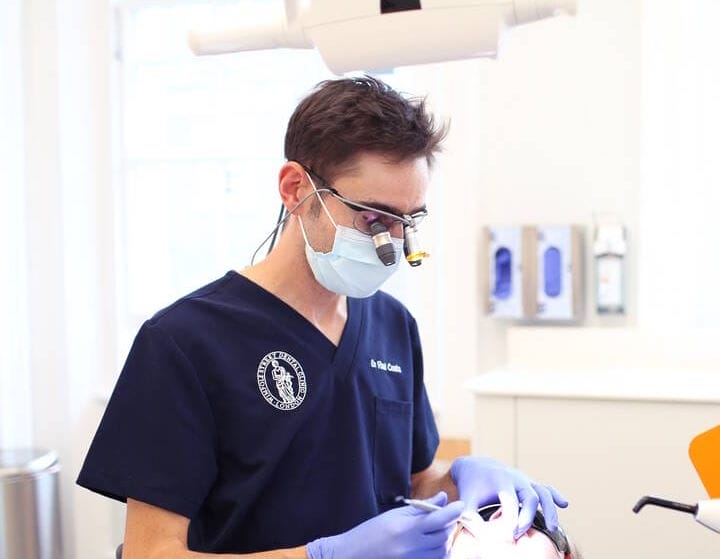

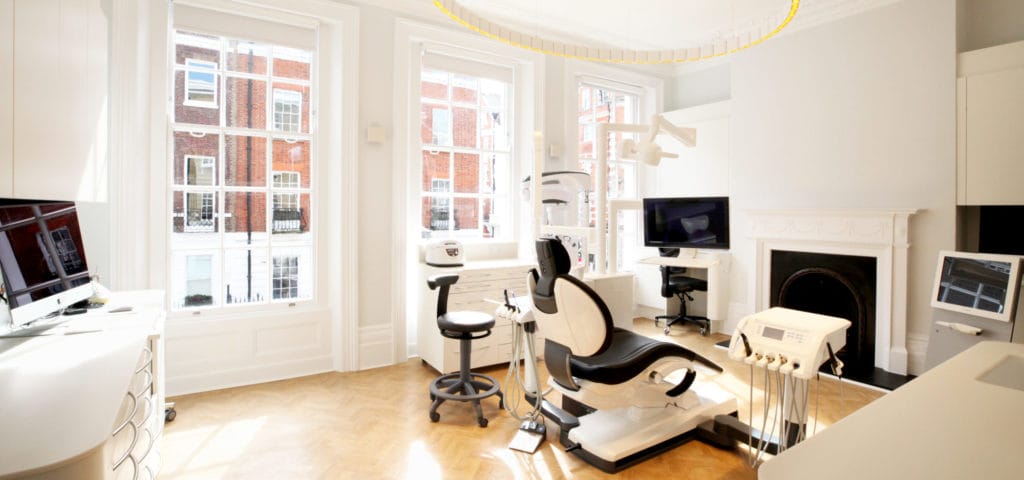
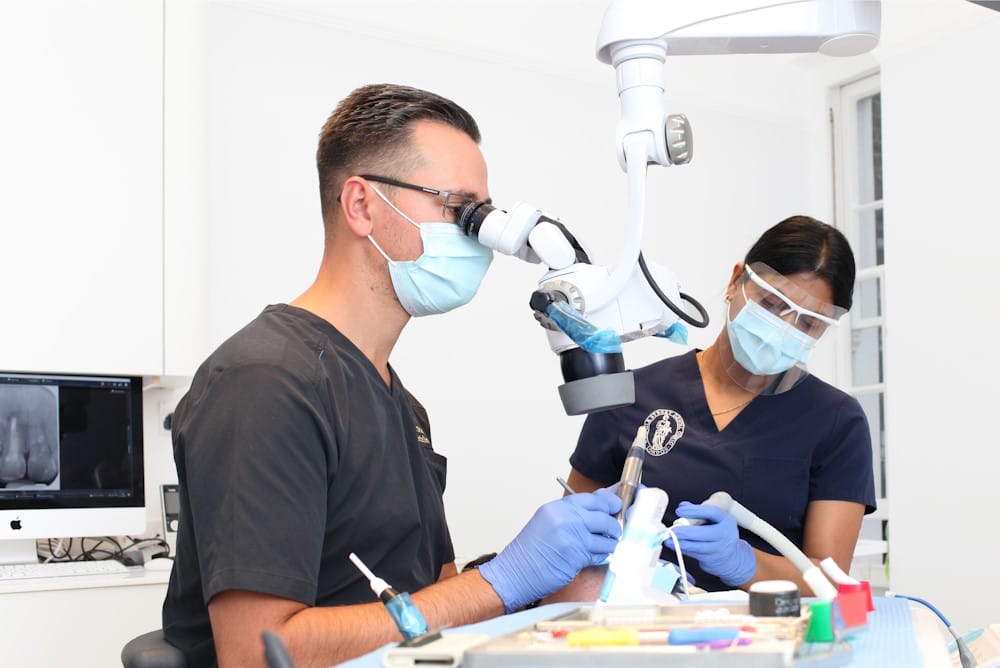
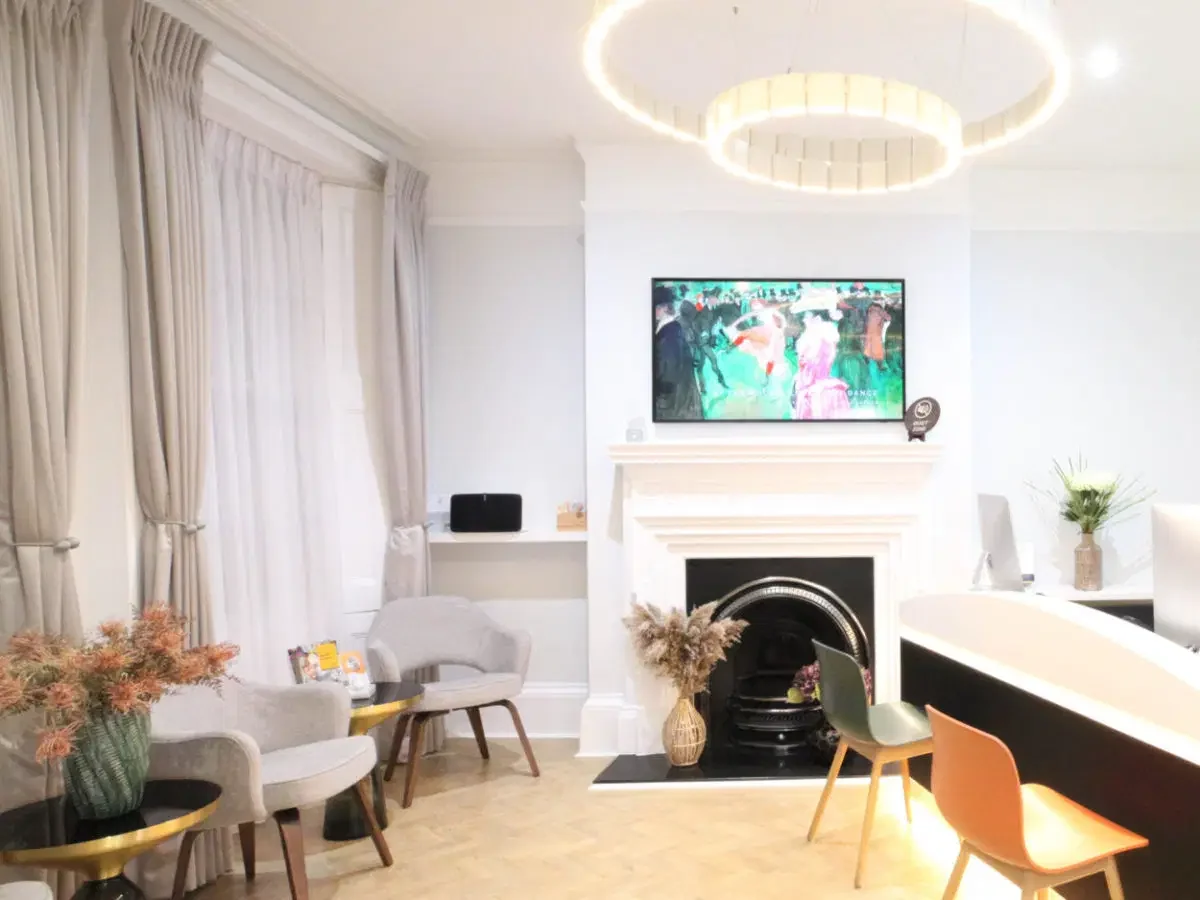
Looking for the best Teen Orthodontics in London?
Specialist orthodontic leadership
Dr Sanjana Sudarshan leads teenage orthodontic treatment with extensive clinical experience managing complex adolescent cases. Her expertise in growth-guided orthodontics ensures both aesthetic and functional excellence.
Multidisciplinary clinical support
Prof Dr Christian Mehl and our specialist restorative and surgical teams collaborate when complex orthodontic planning is required. This integrated approach allows comprehensive care rarely available in standard orthodontic practices.
Advanced digital orthodontic planning
We use 3D scanning, digital simulations and bite analysis software to design precise, predictable treatment pathways. Parents and teenagers can visualise expected outcomes before treatment begins.
Calm, supportive environment for teenagers
Our team is experienced in working with anxious teenagers. Appointments are structured to be calm, informative and supportive. Clear communication and consistent clinician relationships help teenagers feel confident attending appointments.
Teen Orthodontics FAQs
What is the best age for teenagers to start braces?
Most teenagers begin orthodontic treatment between the ages of 11 and 15, when the majority of permanent teeth have erupted and jaw growth is still active. This stage allows orthodontists to guide tooth movement efficiently while working with natural growth patterns. However, the ideal timing varies for each patient. At Wimpole Street Dental Clinic, we assess dental development, bite alignment and facial growth using digital scans and clinical measurements before recommending the most appropriate start point.
How long do braces usually take for teens?
Orthodontic treatment for teenagers typically lasts between 12 and 24 months. Mild alignment cases may complete treatment in under a year, while more complex bite corrections or jaw-related issues require longer treatment times. Factors that influence duration include the type of braces used, the severity of misalignment, compliance with elastics or aligner wear and attendance at review appointments. Our orthodontists design treatment plans to achieve stable results while minimising unnecessary treatment length.
Are braces painful for teenagers?
Braces do not cause pain in the traditional sense, but some pressure or tenderness is normal when appliances are first fitted or adjusted. This sensation is a sign that teeth are moving as planned and usually settles within a few days. Modern orthodontic systems use controlled, low-force mechanics to improve comfort and efficiency. If discomfort persists, our team provides practical guidance and adjustments to ensure ongoing comfort.
Is Invisalign Teen as effective as traditional braces?
Invisalign Teen can be highly effective for many orthodontic cases when worn correctly. It is particularly suitable for mild to moderate alignment problems, spacing issues and bite corrections. However, complex tooth movements or significant jaw discrepancies may be better treated with fixed braces. At Wimpole Street Dental Clinic, treatment selection is based on clinical suitability rather than appearance alone. Our orthodontists recommend the option that delivers the best long-term outcome.
How many hours per day must Invisalign Teen be worn?
Invisalign Teen aligners must be worn for 20 to 22 hours per day to achieve predictable results. They should only be removed for eating, drinking anything other than water and cleaning teeth. Poor compliance can slow progress and extend treatment time. Our orthodontic team monitors wear patterns and provides structured support to help teenagers maintain good habits.
What foods should teenagers avoid with braces?
Teenagers with fixed braces should avoid hard foods such as nuts, ice and crusty bread, as well as sticky items like chewing gum and toffee. These foods can damage brackets and wires, leading to emergency repairs and treatment delays. Softer foods are recommended during the initial adjustment phase. We provide detailed dietary guidance to help families protect appliances while maintaining balanced nutrition.
How often will my teenager need orthodontic appointments?
Most orthodontic review appointments are scheduled every four to eight weeks. These visits allow the orthodontist to monitor progress, adjust appliances and ensure treatment is progressing as planned. Invisalign Teen patients may require slightly less frequent in-person visits depending on treatment stage. Consistent attendance is essential for achieving optimal results.
Can teenagers still play sports while wearing braces?
Yes. Teenagers can continue playing sports while undergoing orthodontic treatment. For contact sports, a custom orthodontic mouthguard is strongly recommended. This protects both the teeth and braces from impact injuries. Our clinic provides tailored mouthguard solutions that fit comfortably over orthodontic appliances.
Will braces affect speech or daily activities?
Some teenagers experience mild speech changes or increased salivation during the first few days of treatment, especially with Invisalign aligners or lingual braces. These effects usually resolve quickly as the mouth adapts. Most daily activities, including school, social events and extracurricular activities, continue normally during treatment.
What happens if a bracket or wire breaks?
If a bracket becomes loose or a wire breaks, contact Wimpole Street Dental Clinic as soon as possible. Delayed repairs can cause discomfort and slow treatment progress. Our reception team prioritises orthodontic repairs to minimise disruption and ensure treatment remains on track.
How do braces affect oral hygiene for teenagers?
Braces create additional surfaces where plaque can accumulate, making oral hygiene especially important. Teenagers must brush thoroughly after meals, use interdental brushes and attend regular hygiene appointments. Our team provides personalised oral care instruction and monitoring throughout treatment to protect teeth and gums.
What happens after braces are removed?
Once orthodontic treatment is completed, retainers are fitted immediately to stabilise the new tooth positions. Retention is essential because teeth naturally attempt to move back toward their original positions. At Wimpole Street Dental Clinic, we provide both fixed and removable retainers and develop long-term retention plans tailored to each patient.
How long will my teenager need to wear retainers?
Most patients are advised to wear retainers full-time for the first few months following treatment and then transition to night-time wear. Long-term or lifetime night-time retention is often recommended to preserve results. Retainer schedules vary depending on individual treatment complexity and growth patterns.
Are braces available on the NHS for teenagers?
NHS orthodontic treatment may be available for patients under 18 who meet strict clinical criteria based on orthodontic need. Waiting times can be long and treatment options are limited to standard appliances. Private orthodontic treatment at Wimpole Street Dental Clinic offers shorter waiting times, advanced appliance choices and fully personalised care.
How much do braces cost for teens in London?
The cost of braces for teenagers depends on treatment complexity and appliance type. At Wimpole Street Dental Clinic, fixed braces typically start from £4,495, while Invisalign Teen pricing varies based on treatment length and aligner volume. A full breakdown is provided following consultation and digital assessment.
Will braces change my teenager’s face shape?
Orthodontic treatment can positively influence facial balance by improving jaw alignment, lip support and bite positioning. While braces do not dramatically alter facial structure, they often enhance overall facial harmony and profile aesthetics. Our orthodontic planning considers both dental and facial outcomes.
What makes Wimpole Street Dental Clinic different for teen orthodontics?
Our clinic combines specialist orthodontic leadership, multidisciplinary dental expertise, advanced digital planning and a calm, supportive environment tailored to teenage patients. Treatment is delivered by highly experienced orthodontists supported by restorative and surgical specialists when needed. This integrated approach allows us to achieve predictable, stable and aesthetically refined results.
Content updated
Written by: Prof Dr Christian Mehl
Medically reviewed by: Dr Raul Costa
Content updated
Written by: Dr Raul Costa
Medically reviewed by: Prof Dr Christian Mehl
New page design
Written by: Prof Dr Christian Mehl
Medically reviewed by: Dr Raul Costa
Original content created
Written by: Prof Dr Christian Mehl
Medically reviewed by: Dr Raul Costa
Wimpole St Dental Clinic has strict sourcing guidelines and relies on peer-reviewed studies, academic research institutions, and medical associations. We avoid using tertiary references. You can learn more about how we ensure our content is accurate and current by reading our editorial policy.
- Bucci R, Rongo R, Zunino B, Michelotti A, Bucci P, Alessandri-Bonetti G, Incerti-Parenti S, D’Antò V. Effect of orthopedic and functional orthodontic treatment in children with obstructive sleep apnea: A systematic review and meta-analysis. Sleep Med Rev. 2023 Feb;67:101730. doi: 10.1016/j.smrv.2022.101730. Epub 2022 Dec 2. PMID: 36525781.
- Agostino P, Ugolini A, Signori A, Silvestrini-Biavati A, Harrison JE, Riley P. Orthodontic treatment for posterior crossbites. Cochrane Database Syst Rev. 2014 Aug 8;(8):CD000979. doi: 10.1002/14651858.CD000979.pub2. Update in: Cochrane Database Syst Rev. 2021 Dec 24;12:CD000979. PMID: 25104166.
- Glineur R, Balon-Perin A. L’orthodontie de l’enfant et de l’adulte [Orthodontic treatment in children and adults]. Rev Med Brux. 2001 Sep;22(4):A299-303. French. PMID: 11680192.