
38 Queen Anne Street, Marylebone
A treatment room at the clinic

Endodontics

Vital pulp therapy in London

Minimally invasive treatment that keeps an injured or decayed tooth alive, led by Dr Negin Mosahebi, specialist in endodontics, using an operating microscope.

  • Rated 4.9 out of 5 by 300+ patients on Google

Dr Raul Costa Reviewed by Dr Raul Costa Published August 2021 Last reviewed January 2026

At a glance

Vital pulp therapy in brief

Treatment takes one to two hours, with a recovery time of around a day. Our team brings over 40 years of experience and a 4.9 star Google rating.

The brass door number at 38 Queen Anne Street

Price

From £500

Pulp therapy treatment starts from £500, with a new patient consultation at £240. Your dentist confirms the exact cost after your consultation.

See our fees

Digital diagnostics at the clinic

Treatment

One to two hours

Most vital pulp therapy is completed in a single visit under local anaesthesia, with a recovery time of around one day.

Book a consultation
An endodontist working under the operating microscope

Specialist care

Led by specialists in endodontics

Treatment is led by Dr Negin Mosahebi and Dr Stefan Ciapryna, specialists in endodontics, working under an operating microscope.

Meet Dr Negin Mosahebi
Reviewing a dental X-ray

Why it matters

Preserving your natural tooth

Preserving natural teeth is the ultimate aim of conservative dentistry. The dental pulp, the soft inner tissue that contains nerves, blood vessels and connective tissue, can become damaged following dental trauma, deep decay or extensive restorative procedures.

Once the injury is very close to the pulp, restoring the tooth directly with a standard filling could irritate the pulp further. This can lead to the complete death of the pulp and the spread of infection. Vital pulp therapy aims to prevent that, and to avoid the need for root canal treatment.

A calm corner of the clinic on Queen Anne Street

What it is

What is vital pulp therapy?

Vital pulp therapy is a group of minimally invasive, contemporary endodontic treatments that aim to preserve the vitality, or life, of the dental pulp. These biologically based treatments conservatively treat and prevent the spread of infection or inflammation within the tooth, while maintaining its function and avoiding more invasive treatment or extraction.

Preserving the vital pulp after an injury, or the threat of one, has several benefits. It maintains the tooth's defence system, as the pulp plays a vital role in immune responses and protects the tooth from infection and inflammation. It keeps the full proprioceptive function of the tooth, so it can sense and respond to stimuli when you chew and bite. When a tooth is still forming, a vital pulp allows it to keep developing, along with the surrounding dentoalveolar complex, supporting proper root development and overall structural integrity.

Preserving the vital pulp also reduces the need for complex and sometimes unpredictable endodontic procedures. Treating a necrotic pulp can be technically demanding and is not always successful. By avoiding extensive endodontic treatment, the natural strength and resilience of the tooth can be kept, reducing the risk of fractures.

Suitability

Who is suitable for vital pulp therapy?

Suitability is assessed case by case. We consider the extent of pulp damage, how much sound tooth structure remains, your overall oral health and the likelihood of a successful outcome. Vital pulp therapy may be considered in these situations.

Deep or very deep decay

  • With deep dental decay (caries), the tooth must be inspected directly under fully aseptic conditions, with good lighting and an operating microscope, to assess the extent of the damage and the suitability of the underlying tooth and pulp tissue.
  • The extent and texture of the damaged pulp dictate how much tissue is removed. The treatments are named by how much pulp tissue is removed: indirect pulp capping, direct pulp capping, partial pulpotomy and full pulpotomy.

Traumatic tooth injuries

  • When a tooth has suffered a traumatic injury, such as a fracture or a strong impact, vital pulp therapy may be appropriate if the pulp is not severely damaged or contaminated.

Pulp exposure during dental procedures

  • The pulp can occasionally be exposed during procedures such as cavity or crown preparation. If the exposed pulp is healthy, vital pulp therapy can be considered to protect and preserve it.

Immature teeth with pulp infections

  • In young people with immature permanent teeth, usually under the age of 16, vital pulp therapy may be used to treat pulp infections and allow the tooth to continue developing properly.

Treatment options

How we protect and preserve your pulp

When you undergo dental treatment, it is important to prevent unnecessary damage to the pulp, the vital tissue inside your tooth. These are the four ways we protect and treat it.

Dr Raul Costa restoring a tooth with his nurse

Option one

Indirect pulp capping

A material is applied near the pulp to stimulate a positive response, allowing the pulp to protect itself.

Treatment planning

Option two

Direct pulp capping

A material is applied directly to the pulp to promote a positive response and self-protection.

Sterile instruments

Option three

Partial pulpotomy

A small portion of the superficial pulp tissue is removed, and a material is applied to encourage a positive response and self-protection.
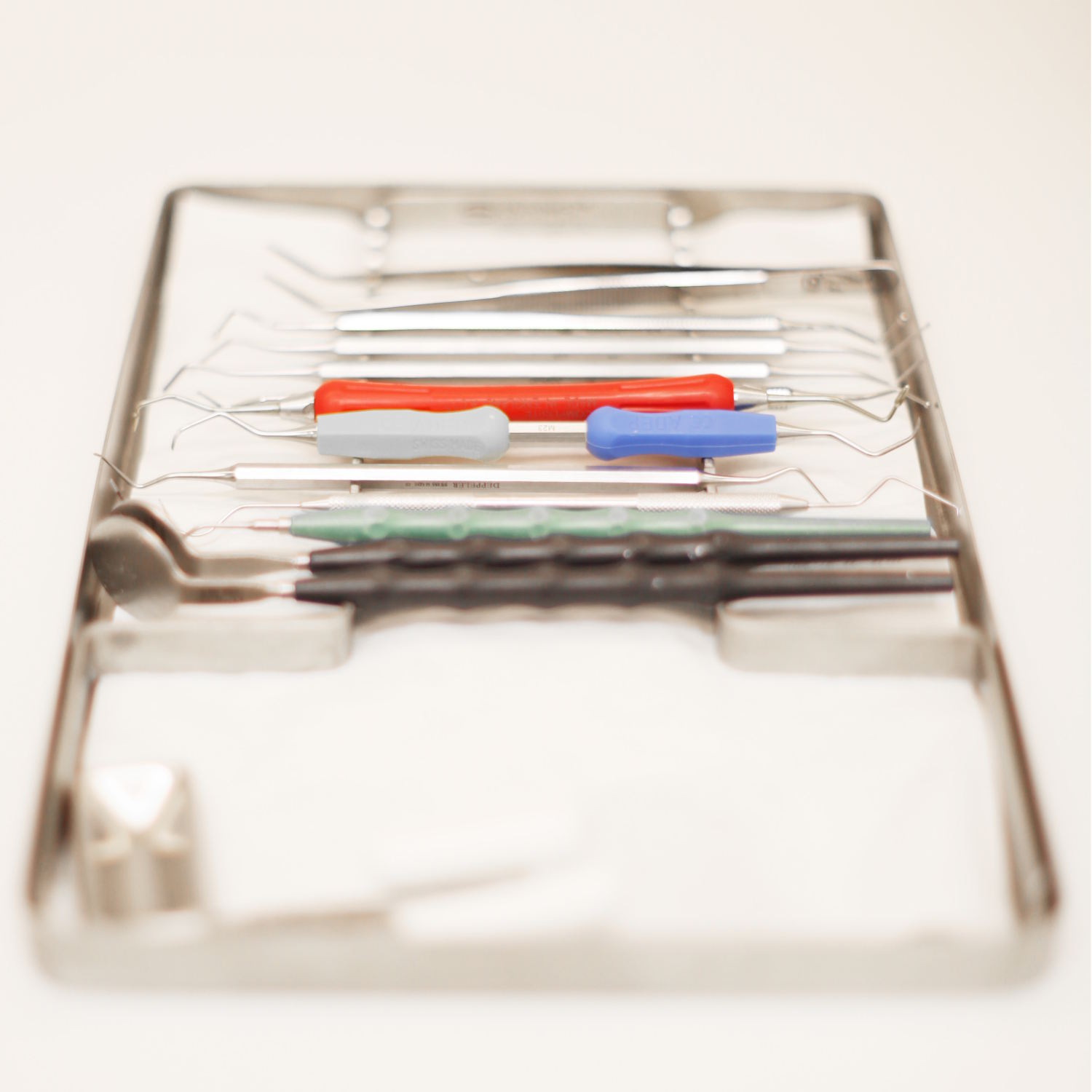
Instruments prepared for treatment

Option four

Full pulpotomy

The coronal pulp is removed completely, followed by a material that stimulates a positive response and self-protection.

Clinical detail

The four procedures, step by step

Each procedure suits a different level of pulp damage. Here is when each is used and what it involves.

Indirect pulp capping

  • Indications: when tooth decay, trauma or previous dental treatment has caused dentine loss, but some dentine still covers the pulp tissue.
  • Treatment procedure: the tooth is isolated with a rubber dam and the cavity preparation is completed as needed, ensuring peripheral caries removal. Careful attention is given to the floor and axial wall of the cavity to avoid exposing the pulp. The cavity is disinfected for a short time with cotton pellets soaked in diluted sodium hypochlorite. After drying, the deepest part of the cavity near the pulp is ideally covered with calcium silicate cement (CSC), or calcium hydroxide where CSC is not available. Glass ionomer cement (GIC) or resin-modified glass ionomer cement (RMGIC) seals the material. Finally, the tooth is restored and monitored regularly.
  • Note: it is essential to follow up with your dentist to ensure the treatment succeeds and the tooth stays healthy.

Direct pulp capping

  • Indications: when tooth decay, trauma or previous dental treatment has caused dentine loss, leaving an open cavity with the soft tissue of the pulp exposed. There may be mild symptoms, but not ones that indicate irreversible pulpitis.
  • Treatment procedure: the tooth is isolated immediately with a rubber dam, then disinfected with cotton pellets soaked in diluted sodium hypochlorite until the bleeding is controlled. If bleeding persists for more than five minutes, a partial pulpotomy may be needed. The exposed pulp is preferably covered with calcium silicate cement (CSC), or calcium hydroxide where CSC is not available, and sealed with GIC or RMGIC. The tooth can then be restored, and regular check-ups are important. We will explain the possibility of further treatment if symptoms occur.
  • Note: it is crucial to follow up with your dentist and report any symptoms. They will assess the situation and recommend treatment if needed.

Partial pulpotomy

  • Indications: when tooth decay, trauma or previous dental treatment has caused dentine loss, leaving an open cavity where the pulp is exposed and bleeding. The exposed pulp may be inflamed or contaminated, and symptoms may be present.
  • Treatment procedure: the tooth is isolated with a rubber dam. Superficial coronal pulp tissue is removed with a high-speed handpiece, a new sterile bur and sterile saline as an irrigant. Bleeding is controlled with cotton pellets soaked in diluted sodium hypochlorite. If bleeding persists for more than five minutes, more pulp tissue may need to be removed. Calcium silicate cement (CSC), or calcium hydroxide as a substitute, is placed on the remaining pulp and sealed with GIC or RMGIC. The tooth is then definitively restored and follow-up appointments are scheduled.
  • Note: keep to the recommended follow-up schedule and tell your dentist if any symptoms arise, so they can assess the tooth and provide further treatment if necessary.

Full pulpotomy

  • Indications: when tooth decay, trauma or previous dental treatment has caused dentine loss, leaving an open cavity where the pulp is exposed and bleeding. The exposed pulp may be inflamed or contaminated, and symptoms may be present.
  • Treatment procedure: the tooth is isolated with a rubber dam. The entire coronal pulp is removed with a high-speed handpiece down to the level of the canal openings. Bleeding is controlled with cotton pellets soaked in diluted sodium hypochlorite. If bleeding persists for more than five minutes, further pulp tissue may be removed until it stops, or until it is clear that a pulpectomy (complete removal of the pulp) is needed. Calcium silicate cement (CSC), or calcium hydroxide as an alternative, is placed on the remaining pulp and sealed with GIC or RMGIC. The tooth is then definitively restored and follow-up appointments are scheduled.
The clinic waiting area

Costs

Vital pulp therapy costs

A new patient consultation is £240. Pulp therapy treatment starts from £500.

We recommend follow-up appointments at four weeks, six months and then annually, until symptoms have fully resolved and the tooth's vitality is maintained. If the tooth continues to be painful, root canal treatment would be advised.

Your dentist will confirm the exact cost after your consultation.
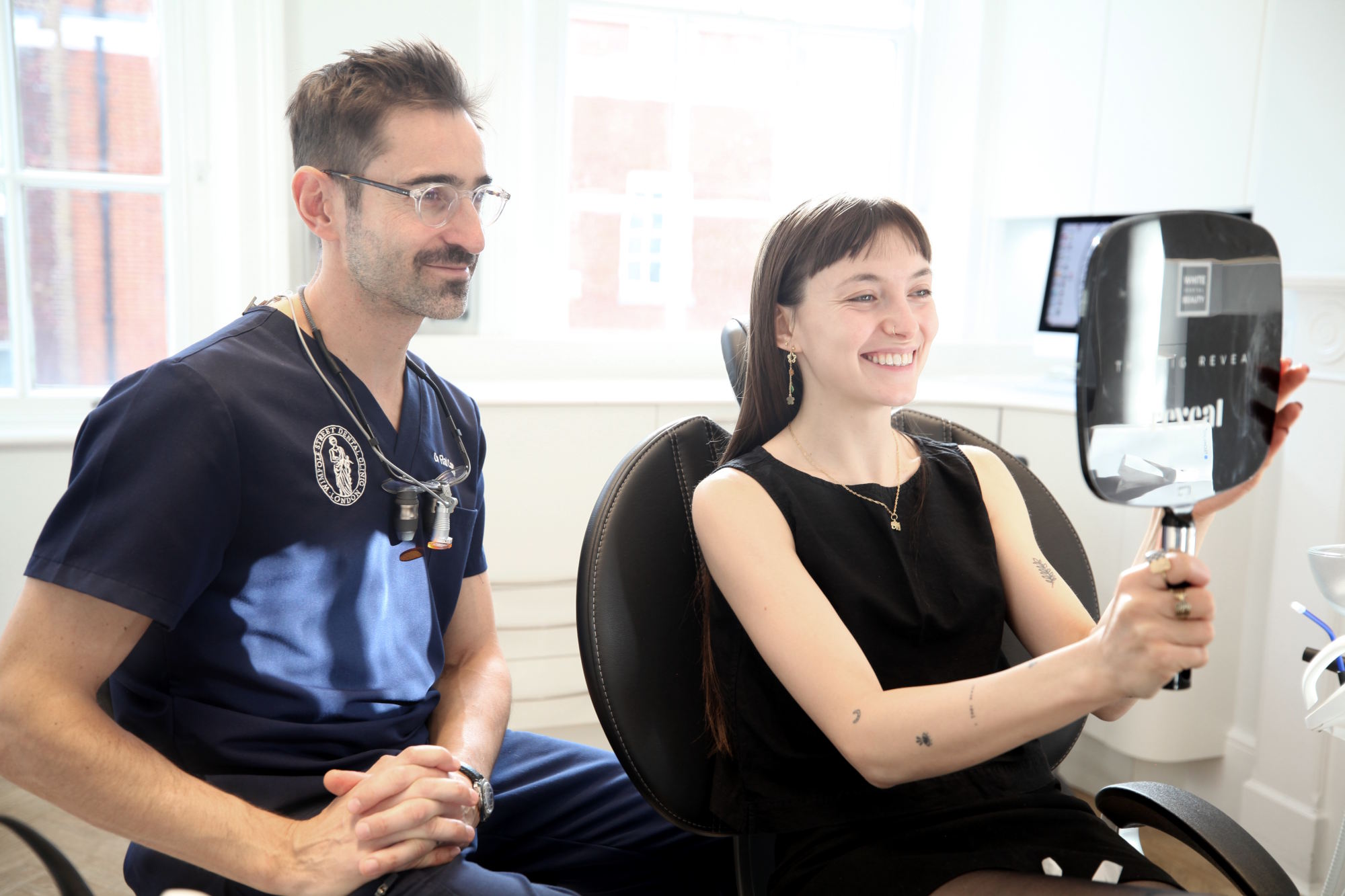
A patient seeing her finished result

Examples of our work

Vital pulp therapy case studies

Vital pulp therapy is a minimally invasive procedure focused on preserving the health of a tooth's pulp after injury or early-stage decay. Our case studies show how we use advanced techniques to maintain tooth vitality and prevent further damage.

Each case reflects our commitment to conservative, patient-centred care, helping people keep their natural teeth and enjoy long-term oral health. They include vital pulp therapy cases treated by Dr Negin Mosahebi, and keeping a tooth alive with vital pulp therapy by Dr Raul Costa.

A treatment room with a dental chair and cabinetry

Scientific references

Who should perform vital pulp therapy?

Our protocol follows the recommendations of these societies, based on the best evidence currently available:

  • American Association of Endodontists (AAE)
  • European Society of Endodontology (ESE)
  • British Endodontic Society (BES)
  • Dental Trauma UK (DTU)

Suitability is assessed case by case, and direct assessment of the tooth under an operating microscope is sometimes essential to judge the state of the pulp before vital pulp therapy is offered.

To give the procedure the best chance of success, it should be carried out by an endodontist with extensive experience in this field, using an operating microscope. At our clinic, it is led by our specialists in endodontics, Dr Negin Mosahebi and Dr Stefan Ciapryna. This contemporary approach is the subject of extensive ongoing research, and our protocol is updated regularly.

Our expertise

Care you can trust

Whether you need emergency treatment, routine care or cosmetic dentistry, it is crucial to find a qualified and experienced dental professional you can trust. We aim to meet and exceed your expectations with premium dental care at every appointment.

Our clinical methodology combines the finest handcraft with digital computer-aided design and manufacturing (CAD/CAM) technology, for excellence in both patient care and treatment success. We perform all root canal treatments in line with the guidelines of the German and British Societies of Endodontics.

  • Over 75 years of combined dentistry experience across our team
  • More than 10,000 treatments performed
  • We teach, lecture and publish our research internationally
Book a consultation
Care at Wimpole Street Dental Clinic

Your team

Meet your vital pulp therapy team

Vital pulp therapy is led by our specialists in endodontics, supported by our restorative dentists and dental nursing team.

Dr Negin Mosahebi

Dr Negin Mosahebi

Specialist in endodontics

Leads vital pulp therapy at the clinic, using an operating microscope to preserve the pulp and keep natural teeth alive.

Dr Stefan Ciapryna

Dr Stefan Ciapryna

Specialist in endodontics

Provides vital pulp therapy and root canal treatment, with a focus on saving natural teeth.

Dr Raul Costa

Dr Raul Costa

Restorative and aesthetic dentist

Clinically reviews this page and restores teeth after pulp therapy, including our case keeping a tooth alive with vital pulp therapy.
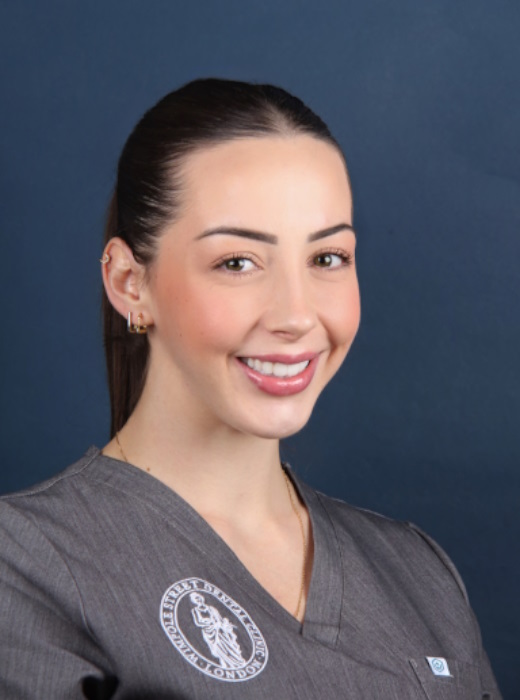
Ms Amanda Pellenz

Ms Amanda Pellenz

Vice head dental nurse

Supports our endodontic team chairside, helping keep every appointment calm and comfortable.

References

Sources for this page

We rely on peer-reviewed studies, academic research institutions and medical associations, and avoid tertiary references.

  • Ricucci D, Siqueira JF Jr, Li Y, Tay FR. Vital pulp therapy: histopathology and histobacteriology-based guidelines to treat teeth with deep caries and pulp exposure. J Dent. 2019 Jul;86:41-52. doi: 10.1016/j.jdent.2019.05.022. PMID: 31121241.
  • Fuks AB. Vital pulp therapy with new materials for primary teeth: new directions and treatment perspectives. Pediatr Dent. 2008 May-Jun;30(3):211-9. PMID: 18615986.
  • JOE Editorial Board. Vital pulp therapy: an online study guide. J Endod. 2008 May;34(5 Suppl):e103-6. doi: 10.1016/j.joen.2007.08.002. PMID: 18457685.

Vital pulp therapy FAQs

Answers to the questions patients ask us most about vital pulp therapy.

Contact us
Is vital pulp therapy painful?
Vital pulp therapy is usually carried out under local anaesthesia, so the procedure itself is not painful. It is normal to have some discomfort or sensitivity in the treated tooth afterwards. This is usually temporary and can be managed with over-the-counter pain relief. Your dentist will give you post-treatment instructions and may recommend medication to ease any discomfort. Your comfort is our priority throughout.
How long does vital pulp therapy take?
It depends on the case and how complex the treatment is. In general, the procedure can be completed in a single visit, typically lasting between 30 minutes and an hour. The exact time depends on factors such as the extent of pulp damage, the number of teeth involved and your individual circumstances. At your consultation, your dentist will assess your situation and give you a more accurate estimate.
Is vital pulp therapy a permanent solution?
Vital pulp therapy is an effective way to preserve the vitality of the pulp in many cases. Its long-term success depends on factors such as the extent of pulp damage, your oral hygiene and regular dental check-ups. In some cases, further treatment such as root canal therapy may be needed in future if the pulp becomes irreversibly damaged or infected. Following your dentist's advice on ongoing care after treatment helps the tooth last as long as possible, and we will guide you through the right aftercare.

Page history

How this page has been reviewed and kept up to date.

  • January 2026Reviewed and updated by our clinical team.
  • August 2021Page first published.

Speak to us about vital pulp therapy

Whether you need minor dental care or are considering more complex treatment, our team is happy to help. Book a consultation today.